The Beauty of Native Wildflower Gardens
The Beauty of Native Wildflower Gardens: A Guide to Creating Your Own Oasis
Native wildflower gardens have become increasingly popular in recent years, and for good reason. These vibrant and ecologically friendly spaces offer numerous benefits, from supporting local wildlife to enhancing the overall beauty of your landscape.
In this article, we’ll explore the principles behind creating a stunning native wildflower garden, how to properly design your space, and the best plants to consider. By the end, you’ll be inspired to transform your garden into a lively, colorful sanctuary that connects you to nature.
Table of Contents
Embracing Nature in Home Decor
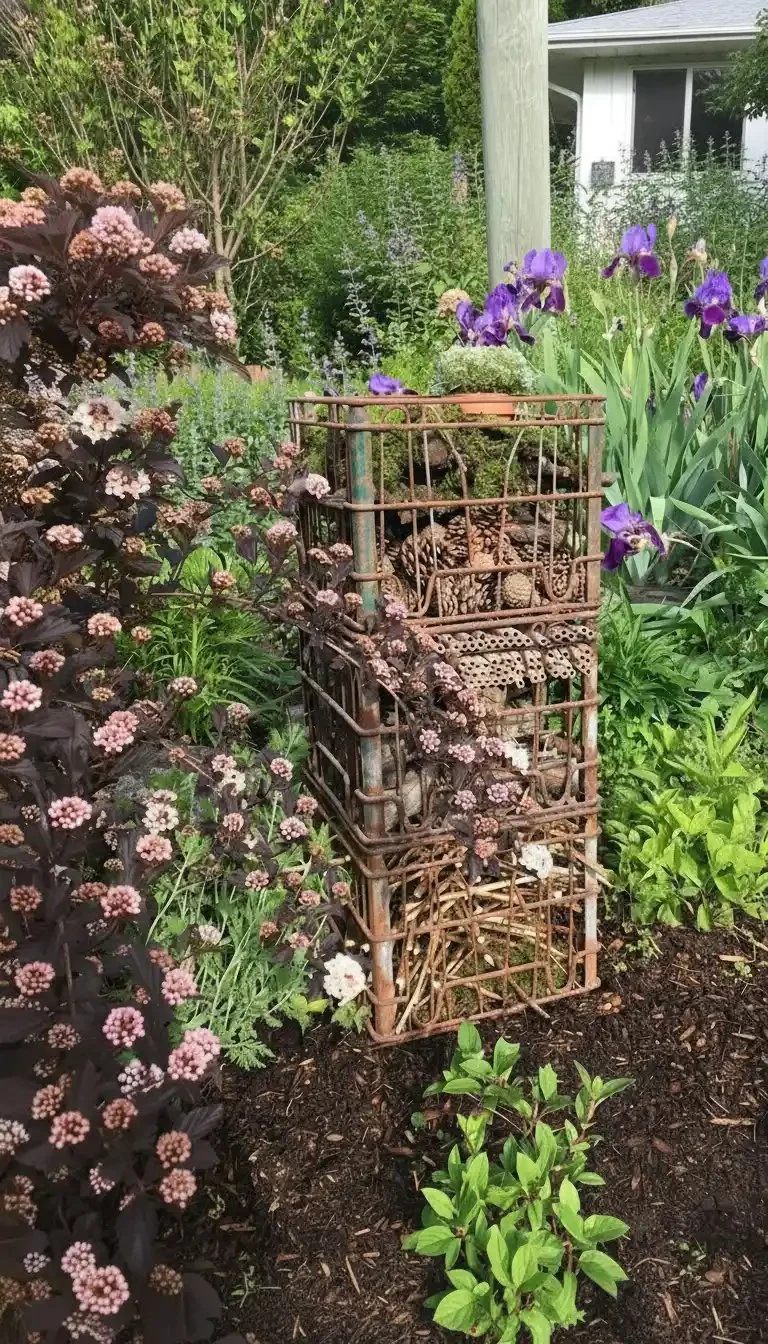
Native wildflower gardens offer a refreshing approach to home decor, showcasing the beauty of local flora while promoting biodiversity. These gardens require less maintenance and provide habitats for pollinators like bees and butterflies. Throughout this article, we’ll give you practical tips and design ideas to help you create a stunning native wildflower garden that enhances your home and integrates seamlessly with your natural living ethos.
Why Native Wildflower Gardens Are Trending in Modern Homes
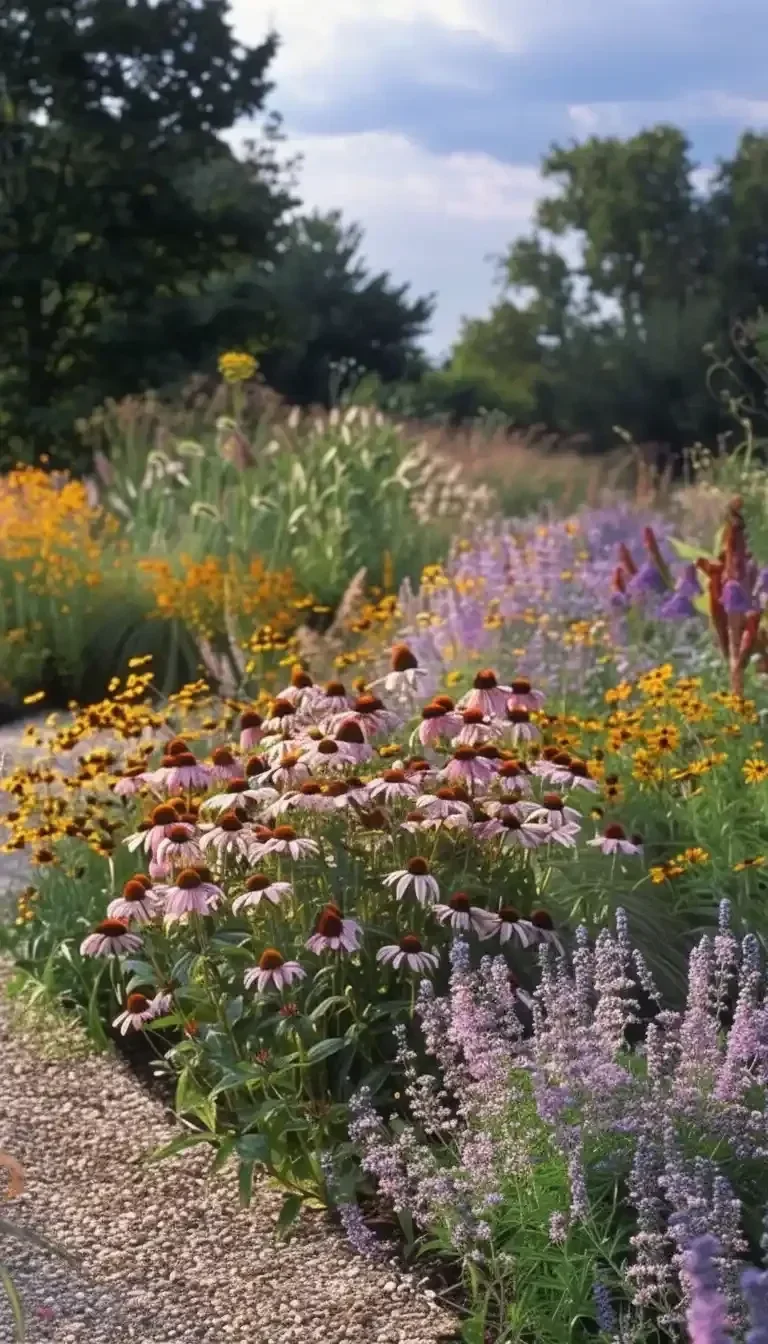
As sustainability becomes a growing concern in home decor, native wildflower gardens have emerged as a popular choice for eco-conscious homeowners. Here are a few reasons why this trend is thriving:
- Biodiversity Support: Native plants offer essential habitats for wildlife, especially pollinators. By planting a diverse array of wildflowers, you’re contributing to a healthier ecosystem.
- Low Maintenance: Native plants are adapted to local soil, climate, and rainfall, which means they require less water and fewer chemical inputs. This makes your garden easier to manage.
- Aesthetic Appeal: Wildflower gardens burst with color and charm. The natural beauty of these spaces adds an inviting touch to your home decor.
- Environmental Responsibility: By choosing native plants, you are supporting sustainable practices and reducing your carbon footprint.
- Connection to Nature: A native wildflower garden creates a peaceful sanctuary where you can unwind and appreciate the beauty of the natural world.
How to Design a Beautiful Native Wildflower Garden
Creating a native wildflower garden involves thoughtful planning and design. Here are some practical steps to get you started:
Choose the Right Location
Pick a spot that receives ample sunlight, as most wildflowers thrive in full sun. Additionally, consider the soil type and drainage — some plants prefer dry, sandy soils, while others do well in moist areas.
Select Appropriate Plants
Choose native wildflower species that are well-suited to your region. Consult local gardening centers or extension services to find the best plants for your area. Some popular choices in various regions include:
- Black-eyed Susan: A sunny yellow flower that attracts butterflies.
- Purple Coneflower: A resilient plant known for its medicinal properties.
- Bee Balm: An aromatic flower that draws in butterflies and hummingbirds.
Create Layers and Textures
Layering plants of varying heights and textures adds depth and interest to your garden. Taller flowers can be placed at the back of your garden bed, while shorter varieties can be planted toward the front for a fuller appearance.
Incorporate Pathways and Seating Areas
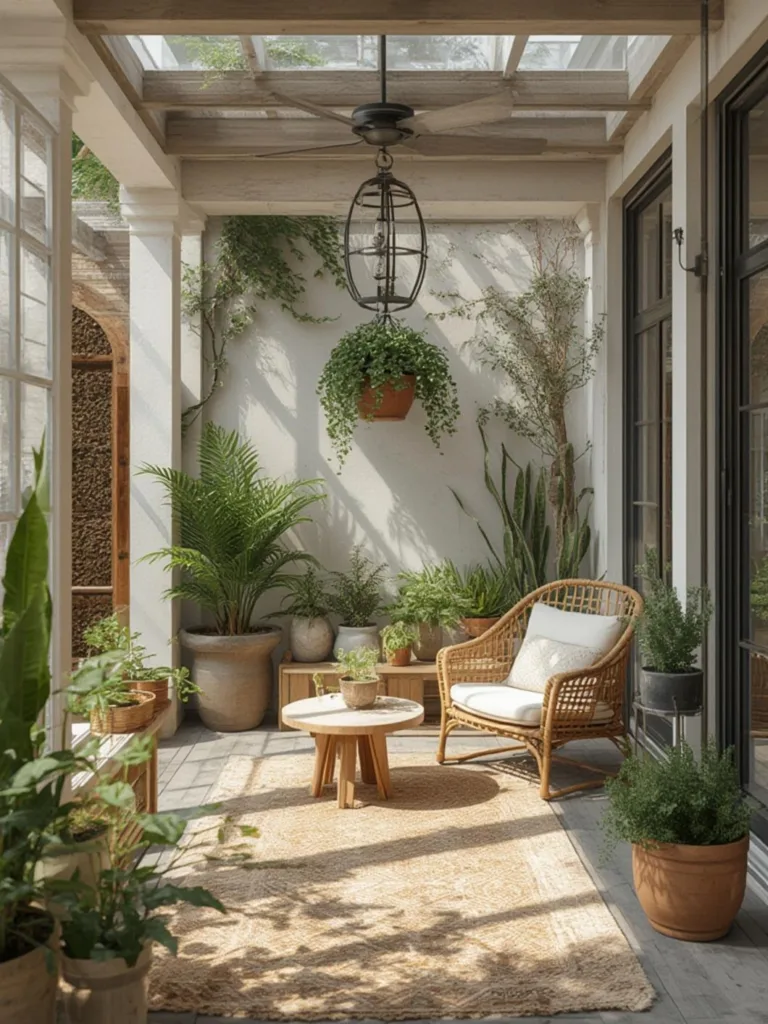
Designing pathways can help visitors explore your garden while providing structure. Use natural materials like stones or mulch for an organic feel. Adding seating areas encourages enjoyment of your outdoor space, making it an inviting retreat.
Best Color Palettes for Native Wildflower Gardens
When designing a native wildflower garden, consider the color palette of your plants. A well-thought-out color scheme can highlight the natural beauty of your space:
- Monochrome Scheme: Choosing different shades of a single color, such as various blues or yellows, creates a harmonious look.
- Complementary Colors: Pair plants with colors that complement each other, such as purple and yellow, to create a vibrant contrast.
- Naturalistic Palette: Opt for colors found in the surrounding environment to integrate your garden seamlessly with its surroundings.
Decorating Tips for Small Spaces
Even small spaces can accommodate native wildflower gardens. Here are some tips for making the most of your limited area:
- Vertical Gardening: Utilize vertical planters or trellises to maximize space and add visual interest.
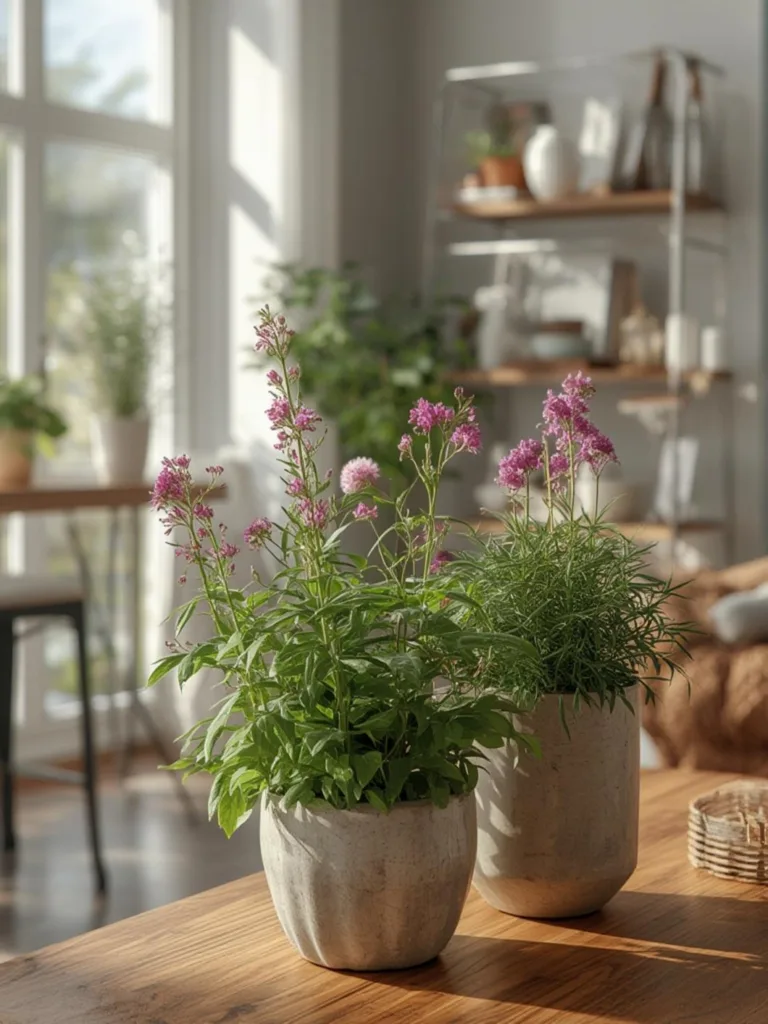
- Container Gardens: Use pots and containers to grow native wildflowers, allowing you to create a mobile and manageable garden.
- Window Boxes: Install window boxes filled with low-growing wildflowers to bring beauty to your home’s exterior without taking up yard space.
Common Mistakes to Avoid
- Overcrowding: Ensure there’s adequate space between plants to promote growth and airflow.
- Ignoring Local Wildlife Needs: Make sure to choose plants that specifically attract local pollinators and wildlife.
- Neglecting Soil Preparation: Prepare your soil by removing weeds and adding organic compost to promote healthy growth.
20 Ideas for Native Wildflower Gardens
1. Butterfly Haven
Create a butterfly-friendly garden by including nectar-rich plants like milkweed and bee balm.
2. Pollinator Pathway
Designate a path lined with varying species of wildflowers to guide pollinators through your garden.
3. Wildflower Meadow
Transform a section of your yard into a wildflower meadow by allowing native grasses and flowers to grow naturally.
4. Rain Garden
Incorporate a rain garden with native wetland plants to absorb runoff while providing habitat for birds and insects.
5. Edible Wildflower Garden
Combine native plants with edible herbs and flowers for a beautiful and functional garden.
6. Seasonal Interest
Select plants that bloom at different times throughout the year to ensure continuous color and interest.
7. Rock Garden
Create a rock garden with drought-tolerant native plants to add texture and visual interest.
8. Fragrance Garden
Include aromatic wildflowers like lavender and mint to create a sensory experience for your outdoor space.
9. Bird Watching Corner
Add bird feeders and native plants to encourage feathered friends to frequent your garden.
10. Children’s Discovery Garden
Design a small space where children can learn about plants and participate in gardening activities.
11. Shade Wildflower Garden
Choose shade-tolerant natives for areas with limited sunlight to maximize your garden’s potential.
12. Container Arrangements
Create stunning container gardens using native plants that can be moved around for different looks or seasonal displays.
13. Rustic Trellis
Incorporate a rustic wooden trellis planted with flowering vines, providing both beauty and perspective.
14. Seasonal Front Yard Display
Plant native wildflowers in your front yard to greet visitors with seasonal color and charm.
15. Texture and Layers
Focus on textural contrasts by mixing smooth-leafed plants with those that have fuzzy leaves.
16. Edgy Path Borders
Use native plants with wild shapes to frame pathways and draw the eye deeper into the garden.
17. Outdoor Work Space
Designate an area filled with calming native flowers to inspire creativity in your outdoor workspace.
18. Sun Drenched Corner
Take advantage of sunny spots in your yard by planting a wildflower corner that flourishes in bright settings.
19. Minimalist Garden
Keep it simple with just a few varieties of native wildflowers and a clean design ethos.
20. Multifunctional Spaces
Integrate seating areas, open grass patches, and native plant zones for ultimate outdoor enjoyment.
Expert Tips for Cultivating Your Native Wildflower Garden
Interior designers and landscaping experts recommend incorporating a few key principles for successful native wildflower gardens:
- Layering Textures: Combining textured foliage and flowers adds visual depth and enhances the garden’s beauty.
- Mixing Natural Materials: Use organic materials like bark, stone, and soil to create a seamless transition between your garden and the natural landscape.
- Balancing Plant Heights: Use taller plants as focal points balanced with shorter varieties to enhance overall appeal.
Frequently Asked Questions
What are the benefits of native wildflower gardens?
Native wildflower gardens enhance biodiversity, require less maintenance, and create beautiful, inviting spaces that connect us to nature.
How do I choose the right plants for my native wildflower garden?
Research local native plants or consult with gardening professionals to ensure you select species well-suited to your region and soil type.
Can native wildflowers thrive in small spaces?
Absolutely! Vertical gardening, container gardening, and window boxes are excellent ways to incorporate wildflowers into smaller areas.
How do I attract pollinators to my garden?
Planting a diverse selection of nectar-rich flowers and providing water sources can significantly enhance pollinator activity in your space.
Is it necessary to prepare the soil before planting wildflowers?
Yes, properly preparing the soil by removing weeds and adding organic compost can contribute to the health and vigor of your plants.
Suggested External Ressources
In conclusion, native wildflower gardens are not just a trend; they offer a path to greater environmental responsibility and aesthetic beauty. Embracing this gardening style can enrich your home decor and foster connections with the natural world.
Whether you are designing a new garden or refreshing an existing one, consider implementing the ideas and tips provided in this comprehensive guide. With a little planning and creativity, you can create an inspiring haven that connects you and your loved ones to nature.