How to Grow Bell Peppers Indoors: Easy Tips for Thriving Plants
Growing your own bell peppers indoors not only elevates your culinary experiences but also adds a pop of vibrant color to your home decor. With their lush green leaves and brightly colored fruits, bell pepper plants bring life to any indoor space. In this comprehensive guide, you will learn how to successfully grow these delicious vegetables right in your cozy living area.
We’ll cover essential tips for ensuring thriving bell pepper plants, share insights on the best practices for indoor gardening, and inspire you with creative styling ideas that blend functionality and aesthetics seamlessly.
Table of Contents
Why Growing Bell Peppers Indoors Is Beneficial
Growing bell peppers indoors can have several advantages. Not only does it contribute positively to your natural living space, but it also enables you to enjoy fresh produce year-round. Some benefits include:
- Fresh and Flavorful: Nothing beats the taste of freshly harvested bell peppers from your own indoor garden.
- Convenience: Growing your vegetables at home means you have easy access to fresh ingredients for your meals.
- Air Quality Improvement: Indoor plants can improve air quality, creating a healthier home environment.
- Aesthetic Appeal: Lush green plants add natural beauty to your interior design.
Essential Tips for Growing Bell Peppers Indoors
Selecting the Right Variety
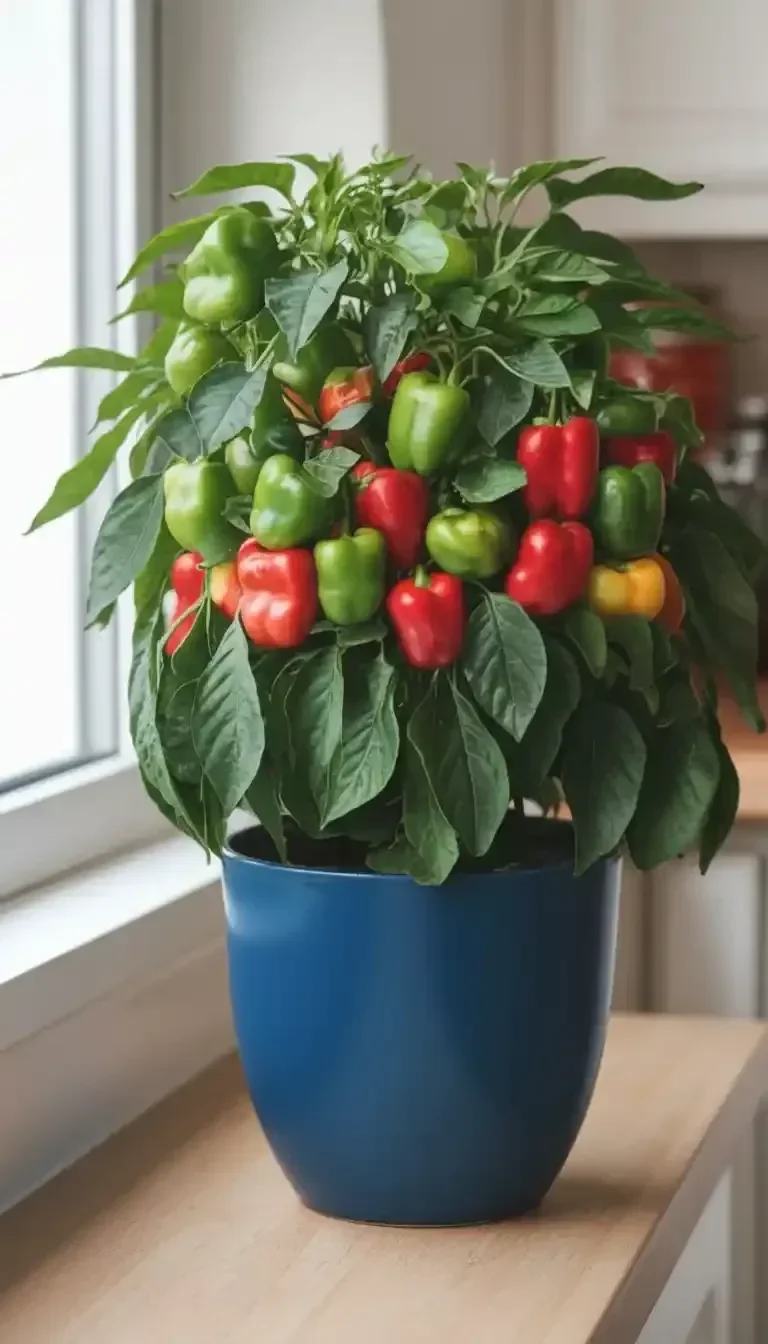
When growing bell peppers indoors, it’s crucial to select the right variety. Smaller varieties like ‘Mini Bell’ or ‘Tinkerbell’ may be more suitable for confined spaces. These varieties are compact, making them perfect for windowsills or small indoor gardens.
Optimal Lighting Conditions
Importance of Light for Growth
Bell peppers require about 12-16 hours of light daily to thrive. If natural light is insufficient, consider using grow lights to mimic the sun’s rays.
Types of Grow Lights
- LED Grow Lights: Energy-efficient and effective for all growth stages.
- Fluorescent Lights: Affordable and ideal for seedlings.
- Incandescent Lights: Less efficient but usable for short-term growth.
Soil and Planting Techniques
Soil Selection
Choose a well-draining potting mix enriched with organic matter. A blend of peat moss, vermiculite, and perlite ensures proper drainage and aeration.
Container Size and Drainage
Select pots that are at least 5 gallons so that your bell peppers have enough room to grow. Ensure drainage holes are present to prevent overwatering.
Watering and Fertilization
Watering Tips
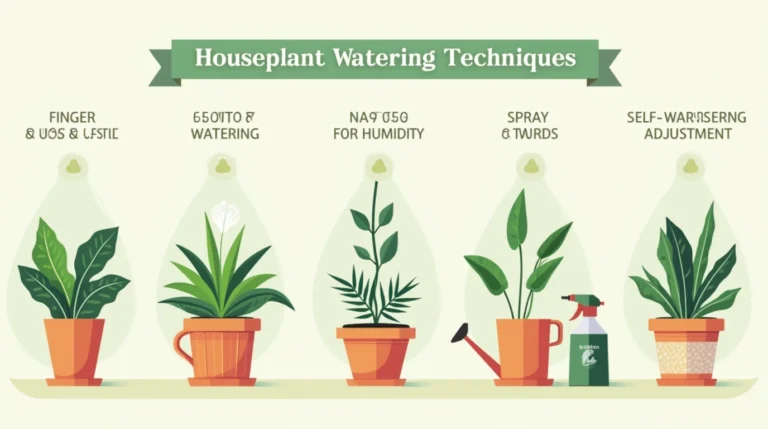
Bell pepper plants do not like soggy roots. Water when the top inch of soil feels dry. One way to monitor moisture levels is using a soil moisture meter.
Fertilization Schedule
Use a balanced fertilizer every 4-6 weeks during the growing season. An organic option, such as fish emulsion or a slow-release granular fertilizer, is beneficial.
Creative Styling Ideas for Peppers in Your Home
Understanding Plant Styling
Incorporating potted plants into your decor can enhance your space. Leave room for design creativity when positioning your bell pepper plants.
Pairing Bell Peppers with Home Decor
- Cooking Station: Place pots near your kitchen workspace for immediate access and visual appeal.
- Shelves and Tables: Use stylish containers that match your decor to blend functionality with aesthetics.
20 Ideas for Indoor Bell Pepper Gardens
1. Colorful Kitchen Display
Description: Arrange colorful bell pepper pots on your kitchen windowsill for easy access.
Styling Tip: Use ceramic pots in matching hues to create a cohesive look.
2. Vertical Garden Wall
Description: Install a vertical planter on a kitchen wall to save space and add height.
Styling Tip: Choose a neutral frame to ensure your colorful peppers stand out.
3. Terrarium Garden
Description: Combine bell pepper plants in a large terrarium with other plants for a mini indoor garden.
Styling Tip: Match the terrarium with your room’s decor color palette for an elegant touch.
4. Rustic Plant Stands
Description: Use reclaimed wood plant stands to add a rustic charm to your indoor garden.
Styling Tip: Incorporate small herb pots next to your bell peppers for an aromatic addition.
5. Window Box Planters
Description: Create a window box planter filled with different colored bell peppers for visual appeal.
Styling Tip: Paint your window box a neutral shade to complement your home’s interior tones.
Expert Tips for Thriving Bell Pepper Plants
To ensure the best results, consider these expert gardening tips:
- Rotate Plants: Regularly turn your bell pepper pots to ensure even growth.
- Check for Pests: Monitor your plants regularly for any signs of pests and respond quickly.
- Temperature Control: Bell peppers thrive in temperatures between 70–85°F. Keep indoor environments warm but avoid extreme heat.
Frequently Asked Questions
What type of soil is best for growing bell peppers indoors?
A well-draining potting mix enriched with organic matter, like peat and vermiculite, is ideal.
How often should I water indoor bell peppers?
Water when the top inch of soil feels dry. Generally, this may range from once every few days to weekly, depending on environmental conditions.
Do bell peppers require fertilizer?
Yes, apply a balanced fertilizer every 4-6 weeks during the growing season for optimal growth.
How much light do bell peppers need to grow indoors?
Bell pepper plants require 12-16 hours of light daily. Use grow lights if natural sunlight is inadequate.
Can I grow bell peppers in smaller pots?
While smaller varieties can thrive in smaller pots, ensure they have at least 5-gallon pots for adequate root development.
How can I prevent pests on my bell pepper plants?
Regularly inspect your plants for pests and treat them with organic insecticidal soap or neem oil when necessary.
External Links for Further Reading
Now that you’re equipped with the knowledge and inspiration to grow bell peppers indoors, you can embark on a fruitful gardening journey. Not only will you enjoy homegrown peppers, but you’ll also beautify your living space in the process. Happy gardening!