Designing a Gothic Garden with Black Flowers
Embracing Ancient Pagan Roots:
Have you ever been captivated by the dark beauty and mysterious charm of a Gothic garden? This enchanting style celebrates nature’s most ethereal aspects while drawing on ancient pagan roots to inspire its aesthetic. In this article, we delve into the intricacies of creating a Gothic garden, featuring black flowers and captivating elements that bring a magical edge to any outdoor space.
You’ll learn how to incorporate dark foliage, striking colors, and evocative designs to create a stunning sanctuary that reflects your personal taste and invites tranquility. Whether you’re a seasoned gardener or just beginning your journey, join us as we explore practical ideas, expert tips, and inspiring design concepts to help you connect with nature in a uniquely Gothic way.
Table of Contents
Why a Gothic Garden with Black Flowers Is Trending in Modern Homes
The allure of Gothic gardens is gaining momentum as homeowners seek spaces that reflect their individuality and fascination with alternative aesthetics. Here are a few reasons why this enchanting garden style resonates with so many today:
- Connection to Nature: Many people are looking for ways to reconnect with nature and seek solace amidst life’s chaos. A Gothic garden, transcending traditional garden ideas, creates an immersive experience through its unique palette and themes.
- Symbol of Rebellion: In an era leaning towards minimalism and light aesthetics, embracing the dark and mysterious is a form of artistic expression. This garden style stands as a bold contrast, making it a symbol of rebellion and creative freedom.
- Rich History and Spirituality: Rooted in ancient pagan traditions, Gothic gardens celebrate the cycle of life and death, fertility, and nature’s power. They reflect a deep respect for the spiritual connotations of plants and natural elements.
Incorporating black flowers into your garden design not only expands your color palette but also invites a deeper connection with the natural world while aesthetically pushing boundaries.
How to Design a Beautiful Gothic Garden
Designing a Gothic garden requires thoughtfulness and creativity to evoke its haunting beauty. Here are some essential tips to guide your design journey:
Choose the Right Location
Selecting the ideal location for your Gothic garden is key. Consider the following:
- Look for spaces with partial shade or dappled sunlight to create an atmospheric ambiance.
- Ensure the area has well-draining soil to support the unique plants typically found in Gothic gardens.
Selecting Plants: A Focus on Black Flowers
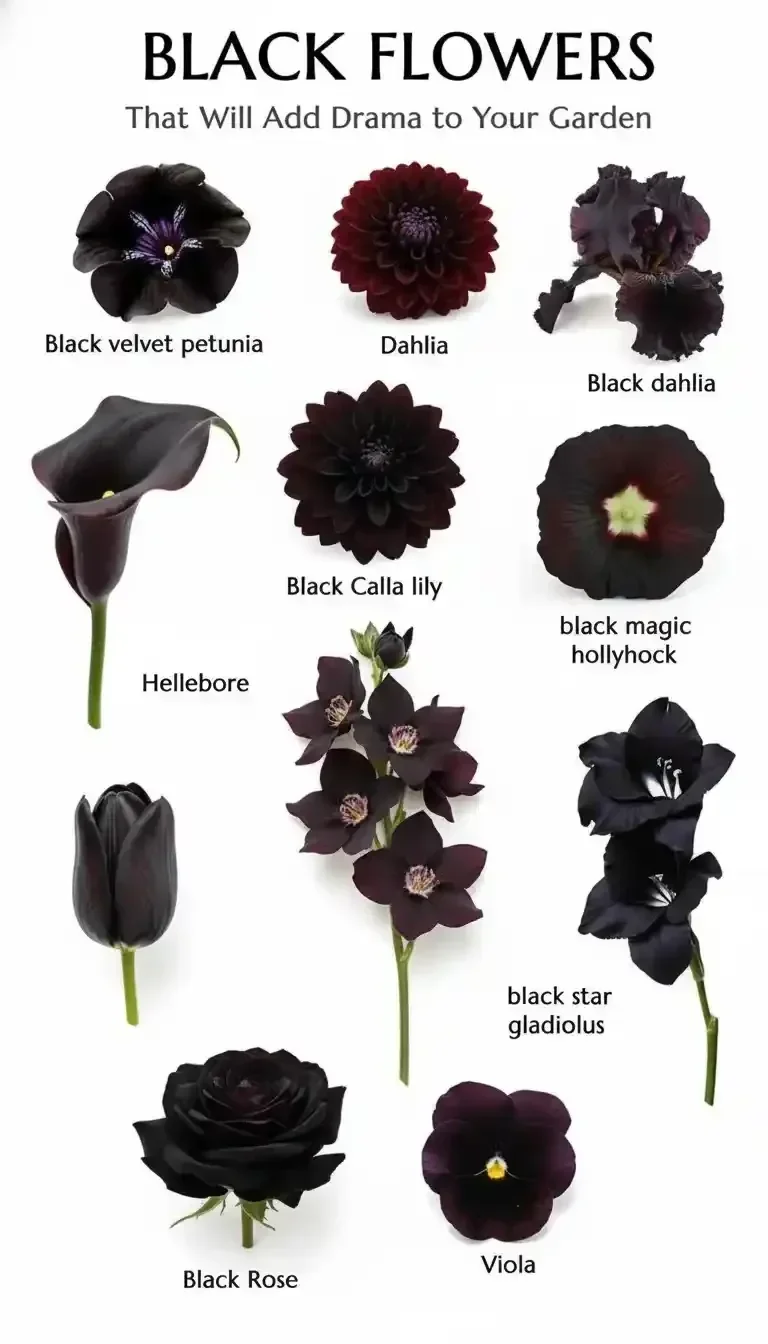
Incorporating black flowers offers a dramatic focal point. Consider the following options:
- Black Calla Lilies: Their elegant, trumpet-shaped blooms add sophistication and depth to your garden.
- Black Petunias: these eye-catching flowers not only bring in rich colors but also are easy to maintain.
- Burgundy or Near-Black Hellebores: These evergreen perennials bloom in late winter and spring, making a striking statement.
Using Textures and Layers
To capture the essence of a Gothic garden, layering diverse textures is vital. Use:
- Dark foliage plants like Heuchera to create richness.
- Ornamental grasses for movement and contrast.
- Stone elements or rustic wooden accents that fit the Gothic theme.
Lighting and Ambiance
The right lighting can enhance the mood of your Gothic garden. Use:
- Fairy lights woven through branches for an ethereal glow.
- Lanterns for a touch of whimsy and romance.
- Solar lights to highlight pathways while keeping it mystical.
Best Color Palettes for Your Gothic Garden
While black is undoubtedly a focal color, pairing it with complementary hues can elevate your design. Here are a few palettes to consider:
- Black, Deep Purple, and Silver: This classic combination adds sophistication and elegance.
- Charcoal, Blood Red, and Dark Green: Create a more dramatic effect reminiscent of classic Gothic literature.
- Black with White Accents: An enchanting contrast that brings forth striking visual interest, perfect for a timeless look.
Decorating Tips for Small Spaces
Creating a Gothic garden doesn’t require vast amounts of space. These decorating tips will help you maximize smaller areas:
- Vertical Gardens: Utilize wall space or create hanging gardens to introduce more greenery without requiring much ground area.
- Container Planting: Use dark-colored pots to reinforce the Gothic aesthetic while allowing flexibility in placement.
- Corner Accents: Dedicate a corner to a single focal plant like a black rose or a sentinel-like statue that embodies Gothic charm.
Common Mistakes to Avoid
As you dive into Gothic gardening, be mindful of common pitfalls:
- Overcrowding Plants: Ensure enough space between plants for air circulation and growth.
- Neglecting Maintenance: Dark flowers often require specific care—always check watering needs and soil conditions.
- Ignoring Seasonal Changes: Choose plants that can provide beauty throughout the year, even in dormancy.
20 Ideas for Your Gothic Garden
1. Create a Black Flower Bed
Design a dedicated area with black flowers and contrasting plants for a captivating display.
2. Install a Stone Pathway
Use dark cobblestones to create a whimsical path through your garden.
3. Add Gothic Statues
Incorporate statues or gargoyles to amplify the theme and create focal points.
4. Use Dark Mulch
Apply a dark mulch to maintain moisture and add depth to your garden bed.
5. Incorporate Mirrors
Use mirrors strategically to reflect light and expand the sense of space.
6. Create a Sunken Seating Area
Design a cozy nook surrounded by dark plants for a more immersive experience.
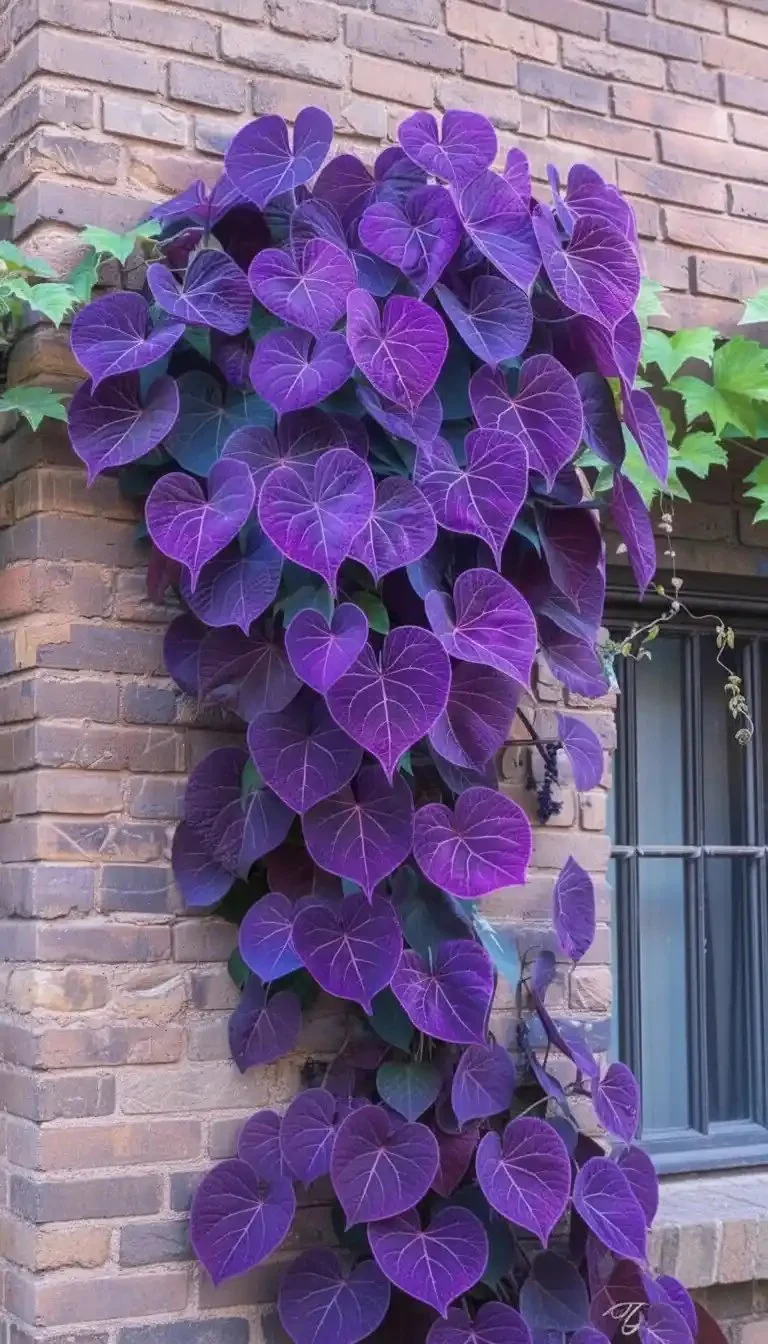
7. Add Trellises with Climbing Plants
Integrate black or deep purple vines like Black-eyed Susan to enhance vertical interest.
8. Use Dark Furniture
Choose wrought iron furniture or dark wood for seating areas.
9. Introduce Candle Displays
Create candle arrangements for a dramatic evening glow.
10. Experiment with Silhouettes
Use unique plant shapes to create striking outlines against lighter backgrounds.
11. Install a Water Feature
Incorporate a small fountain with dark accents for an enchanting soundscape.
12. Use Lattice Fencing
Select dark-stained wood for privacy while contributing to the Gothic aesthetic.
13. Introduce Wild Herbs
Include dark-leaved herbs like Basil for whimsical culinary use.
14. Hang Dark Lanterns
Incorporate lanterns to provide light with a mystical atmosphere while enhancing decoration.
15. Create a Focus on Contrast
Pay attention to dark and bright contrasts in both plant choice and decor.
16. Host Night Gatherings
Plan evening garden events under the stars, embracing the ambiance.
17. Implement Seasonal Decor
Rotate seasonal elements like pumpkins and evergreen boughs for a year-round aesthetic.
18. Consider Edging
Use dark stones or bricks for edging to define spaces clearly.
19. Use Unique Seating Arrangements
Arrange benches or seating around focal points, enhancing the mysterious allure.
20. Personalize with Your Touch
Ultimately, add elements that reflect your interests, whether from literature, art, or personal experiences.
Expert Tips Section
Interior designers recommend these tips for enhancing your Gothic garden while maintaining aesthetic and cohesion:
- Layering Textures: Combine smooth and rough materials to create a rich sensory experience.
- Mixing Natural Materials: Use a blend of stone, wood, and metal to create visual interest and depth.
- Using Plants for Balance: Incorporate both dark and vibrant plants to create a harmonious garden.
Frequently Asked Questions
What colors complement black flowers in a garden?
Deep purples, dark greens, and whites can create a stunning contrast with black flowers while maintaining a cohesive look.
How do you maintain a Gothic garden?
Regular watering based on plant needs, seasonal pruning, and ensuring proper drainage are key to keeping your Gothic garden thriving.
Are there any petsafe plants for a Gothic garden?
Some safe choices include Black Velvet Petunia, Peruvian Lilac, and Nasturtium. Always double-check for your specific pets’ sensitivities.
How can I enhance the nighttime appeal of my Gothic garden?
Incorporate various light sources, such as lanterns and fairy lights, to illuminate the garden paths, creating a magical nighttime ambiance.
Which black flowers bloom throughout the year?
Black Calla Lilies and Black Baccara Roses are two varieties that provide a stunning display at different times of the year.
How do I integrate Gothic elements into a small garden?
Use vertical gardens, dark pots, and create a cozy nook for a touch of Gothic charm in a limited area.
Suggested External Links
Creating a Gothic garden is both an art and a personal journey, connecting you with ancient traditions while allowing you to express your unique style. Embrace the dark beauty of black flowers and the versatility of Gothic design as you transform your outdoor space into a captivating retreat.