15 Fun and Easy Indoor Herb Garden Ideas
Indoor herb gardens are gaining popularity as we all look for ways to bring nature into our homes. Growing herbs not only elevates the aesthetics of your living space, but it also provides fresh ingredients for your culinary adventures. In this article, we will explore 15 fun and easy indoor herb garden ideas that are perfect for homesteaders, DIY enthusiasts, and anyone looking to incorporate a touch of greenery into their decor. You’ll discover practical tips, inspiring design ideas, and creative approaches to cultivating your own herb garden.
Table of Contents
The Benefits of Growing Indoor Herbs
Creating an indoor herb garden has several benefits beyond just having a supply of fresh ingredients. Herbs can enhance the air quality in your home, contribute to your overall well-being, and provide a beautiful focal point in your space. Whether you have a large kitchen, a cozy nook, or a balcony, there’s always room for a small herb garden. In the following sections, we will dive into the best ideas, design tips, and even some common mistakes to avoid when cultivating your indoor herb garden.
Why Indoor Herb Gardens Are Trending in Modern Homes
Indoor herb gardens are not just a passing trend; they signal a shift toward sustainable and natural living. In today’s fast-paced world, having a calming green space indoors helps create an inviting atmosphere. With more people cooking at home, there’s a growing appreciation for having fresh herbs at your fingertips. Here are a few reasons why indoor herb gardens are gaining popularity:
- Sustainability: Growing your own herbs reduces the need for store-bought produce, leading to less packaging waste.
- Health Benefits: Fresh herbs are packed with vitamins and can enhance the flavor of many dishes without extra calories or sodium.
- Aesthetic Appeal: Herbs add a pop of greenery to any space, and their varied shapes and scents can enhance your home’s decor.
How to Design a Beautiful Indoor Herb Garden
When designing an indoor herb garden, consider the space you have and the specific herbs you want to grow. Here are some practical tips for creating a beautiful herb garden that complements your home decor:
Choose the Right Location
- Light Requirements: Most herbs thrive on sunlight, so choose a location that receives at least 6 hours of sunlight per day.
- Accessibility: Place your herb garden where you can easily access it for cooking or watering.
Select Your Containers
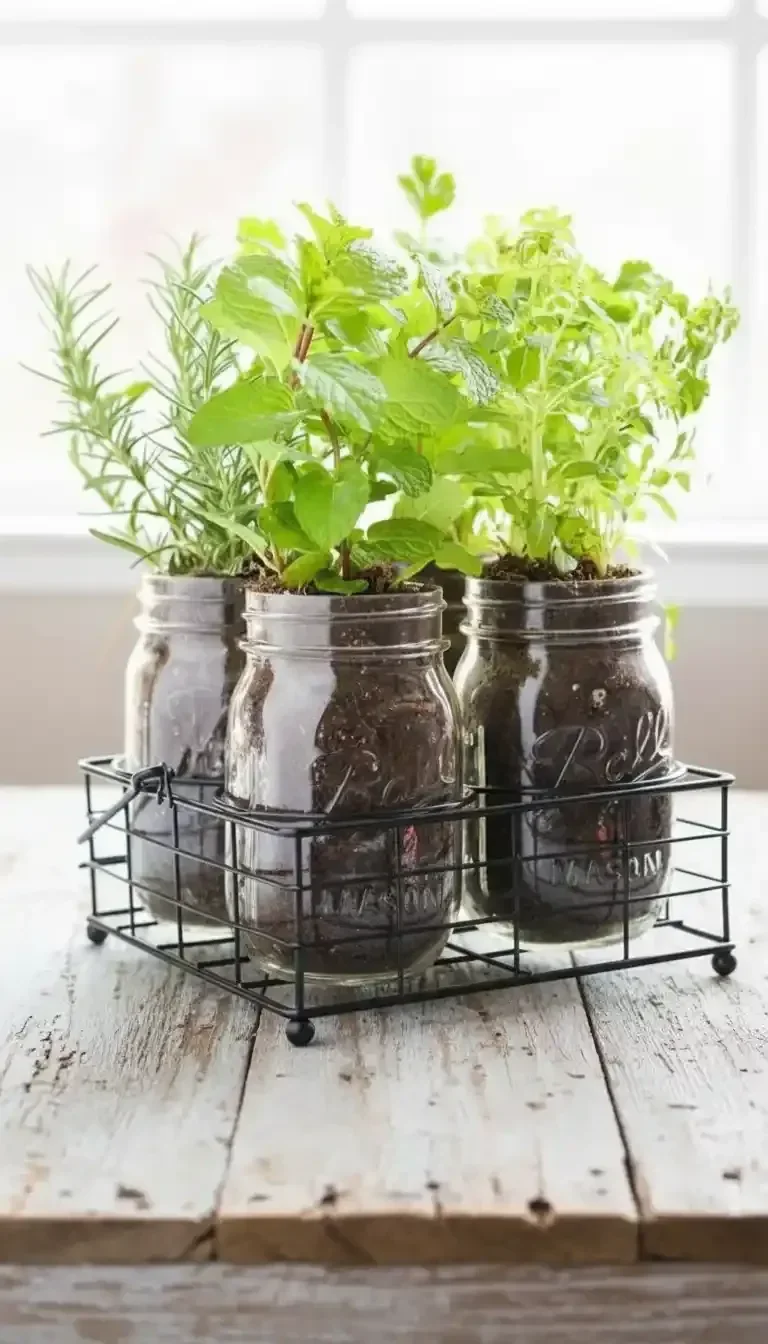
- Mason Jars: A charming and rustic option, ideal for small herbs like basil or mint.
- Wooden Crates: Create a farmhouse-style herb garden by planting multiple herbs in a weathered wooden crate.
- Wall Planters: Ideal for small spaces, wall planters save floor space and can be a striking visual element.
Mix and Match Herbs
Consider planting herbs that complement each other in your kitchen and dining experience. Some great combinations include:
- Italian Herbs: Basil, oregano, and parsley thrive together.
- Cocktail Herbs: Mint, rosemary, and thyme can enhance your drinks in a chic way.
Best Plants for Indoor Herb Gardens
Certain herbs are particularly well-suited for indoor growth. Here are five common options to consider:
- Basil: A must-have for Italian dishes, it enjoys plenty of sunlight.
- Chive: This hardy herb grows well in smaller pots and doesn’t require a lot of care.
- Mint: Place mint in a separate container as it can spread quickly. Its refreshing aroma is perfect for drinks.
- Thyme: A versatile herb that does well in lower light conditions, making it suitable for various spots in your home.
- Rosemary: This herb loves sun, so put it in a sunny window for best results.
Decorating Tips for Small Spaces
If you have limited space, don’t worry. There are numerous creative ways to grow herbs without taking up too much room:
- Windowsill Gardens: Use small pots or attractive containers on your kitchen windowsill.
- Hanging Gardens: Create a vertical garden by using a hanging planter for a trendy look.
- Tiered Shelves: Store pots on multi-level shelving to maximize visibility and access.
Common Mistakes to Avoid
While cultivating an indoor herb garden can be rewarding, many people encounter challenges along the way. Here are some common mistakes to steer clear of:
- Overwatering: Herbs like well-drained soil; too much water can lead to root rot.
- Ignoring Light Needs: Each herb has different light requirements, so ensure they receive adequate sunlight according to their needs.
- Not Harvesting Regularly: Regularly trimming your herbs encourages growth and prevents them from becoming leggy.
20 Ideas for Indoor Herb Gardens
Here’s a Pinterest-inspired collection of 20 ideas for indoor herb gardens that you can easily implement in your home:
1. Mason Jar Herb Garden
Utilize mason jars as quirky yet functional planters. Paint them with chalkboard paint for labels.
2. Vertical Wall Planters
Hang a wooden pallet on your wall and use small pots to create a stunning vertical garden.
3. Rustic Wooden Box
Repurpose a wooden fruit crate as a box-style planter filled with your favorite herbs.
4. Repurposed Wine Bottle Planters
Cut the bottom of wine bottles and use them to create a chic hydroponic herb garden.
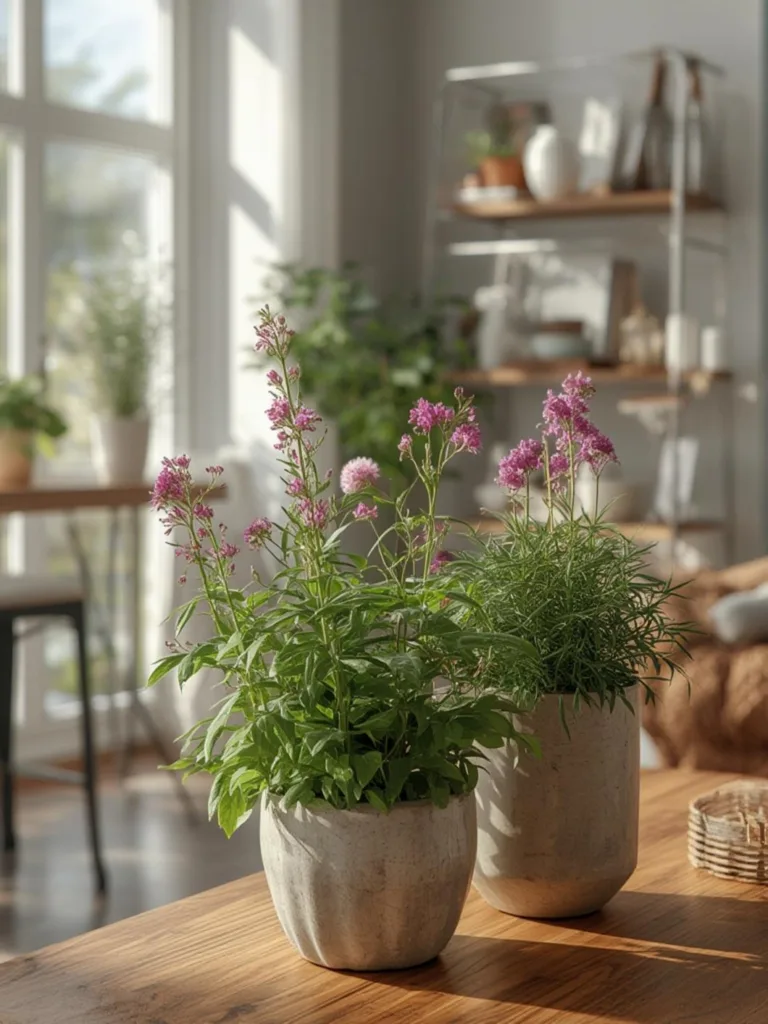
5. Kitchen Counter Planters
Use stylish pots on your kitchen counter that match your decor style.
6. Herb Ladder
Repurpose an old ladder by leaning it against the wall and using the steps for herb pots.
7. 3-Tier Shelf
A tall, 3-tier plant shelf adds visual interest and saves space.
8. Floating Shelves
Install floating shelves in your kitchen for a minimalist herb garden.
9. Hanging Baskets
Hang small baskets from the ceiling to add visual dimension while freeing up space.
10. Decorative Planters
Choose unique or brightly colored planters to add a splash of personality.
11. Round Hanging Planter
Use a round hanging planter for a circular style that stands out in any room.
12. Vintage Tea Tins
Transform vintage tea tins into rustic herb containers for a nostalgic touch.
13. LED Grow Lights
Install LED grow lights for those herbs that require extra light, creating a more extensive garden.
14. Herb Terrariums
Create a mini-terrarium filled with herbs in decorative glass containers for a unique touch.
15. DIY Wall-mounted Herb Garden
Build a simple wall-mounted planter using wooden boards and planters.
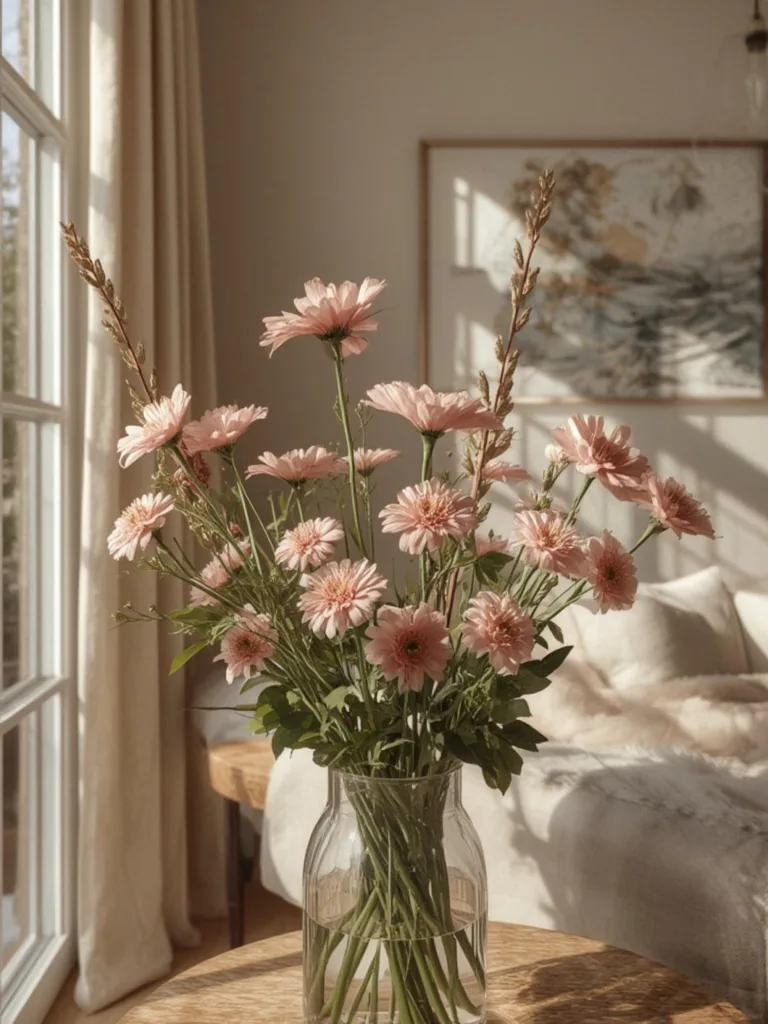
16. Glass Vase Bouquets
Use glass vases to showcase herbs that also serve as floral accents.
17. Candle Jars
Repurpose old candle jars as attractive containers for small herbs.
18. Teacup Planters
Use mismatched teacups for a quirky and charming display of herbs.
19. A Row of Herb Bottles
Create a lined display of herb jars on a windowsill for easy access and gorgeous aesthetics.
20. Herb Spiral
Create a spiral herb garden using stones or bricks to maximize space and showcase growth.
Expert Tips for Success
As you embark on your indoor herb gardening journey, consider these expert tips:
- Mix Textures: Combine different types of planters and herbs to create an appealing visual contrast.
- Use Quality Soil: Invest in high-quality potting mix that promotes drainage and healthy growth.
- Rotate Plants: Periodically rotate your pots to ensure even sunlight exposure for all sides of your plants.
Frequently Asked Questions
What herbs are easiest to grow indoors?
Herbs like basil, chives, mint, and parsley are typically the easiest to grow indoors.
How much sunlight do indoor herbs need?
Most herbs need about 6-8 hours of sunlight daily. A south-facing window is ideal.
Can I grow herbs in water?
Yes, many herbs can grow in hydroponics. Mint and basil are great candidates.
How often should I water my indoor herbs?
Water when the top inch of soil feels dry. Be cautious not to let them sit in water.
What herbs can be grown together?
Basil, oregano, and parsley make great companions. Avoid pairing mint with others due to its invasive nature.
Can I use regular soil for my indoor herb garden?
It’s best to use high-quality potting soil to ensure proper drainage and nutrients.
What containers work best for growing herbs indoors?
Well-drained containers like terracotta pots, plastic pots, or mason jars work wonderfully for most herbs.
How can I keep indoor herbs healthy?
Ensure adequate sunlight, avoid overwatering, and regularly prune to promote healthy growth and prevent nutrient depletion.
Additional Resources
For those looking to deepen their understanding of indoor gardening, consider checking out these resources:
Growing an indoor herb garden can transform your home into a cozy sanctuary filled with greenery, flavor, and wellness. With the ideas shared in this article, you can easily implement your unique herb garden that not only looks beautiful but also strengthens your connection to natural living. Enjoy the process, and let nature inspire your indoor space.
By adhering to this format, you can create a practical, engaging, and SEO-optimized article that effectively targets multiple search platforms while providing readers with valuable indoor herb garden ideas.