Build a Pollinator Palace to Display in Your Garden
Creating a beautiful garden is not just about aesthetics; it also involves cultivating a thriving ecosystem. One delightful way to do this is by building a Pollinator-Palace in your garden. This unique feature can attract bees, butterflies, and other essential pollinators while adding charm and personality to your outdoor space.
In this article, we will guide you through everything you need to know about building and styling a Pollinator-Palace. From design ideas to practical tips and beautiful plant selections, you will learn how to create a space that not only looks good but also supports our vital pollinators. Let’s dive into the world of Pollinator Palaces and set the stage for a vibrant and sustainable garden!
Table of Contents
Why Building a Pollinator Palace Is Important
Pollinators are crucial for the health of our ecosystems. They help in the reproduction of around 75% of the world’s flowering plants, including many we rely on for food. Unfortunately, these vital creatures face numerous threats, including habitat loss and pesticide use. By building a Pollinator-Palace, not only do you support local wildlife, but you also enhance your garden’s beauty and functionality.
The Benefits of a Pollinator Palace
- Biodiversity Boost: Attracts various species, including bees, butterflies, and hummingbirds.
- Food Production: Improves the yield of flowering plants by ensuring pollination.
- Educational Opportunities: Offers a chance to teach children and visitors about nature and conservation.
- Aesthetic Appeal: Adds a unique focal point to your garden.
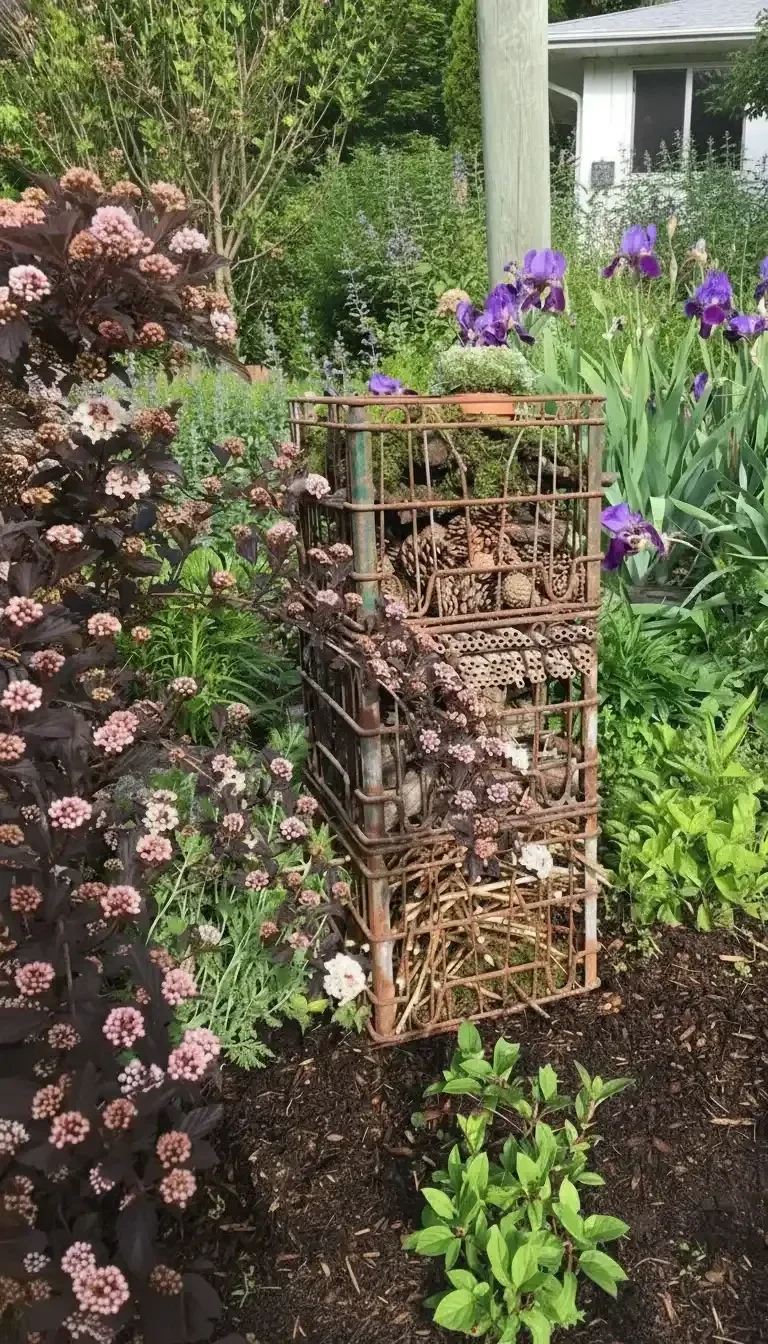
How to Design a Beautiful Pollinator Palace
Designing a Pollinator Palace can be as creative and imaginative as you want it to be. Here are some tips on how to create a stunning structure that blends with your garden’s overall aesthetic.
Choosing the Right Materials
- Natural Wood: Opt for untreated wood to avoid chemicals that could harm pollinators.
- Stone: Provides a rustic look that blends beautifully with natural surroundings.
- Recycled Materials: Consider using reclaimed wood or materials to contribute to sustainability.
Dimensions and Design
- Size: Depending on your space and how many pollinators you want to attract, a Pollinator-Palace can be compact or expansive.
- Shape: Popular shapes include vertical stacks, angled structures, or whimsical designs that reflect your personal style.
- Accessibility: Ensure entry points are ample for various pollinators. Small holes are suitable for solitary bees, while larger openings can attract butterflies and bats.
Best Color Palettes for Your Pollinator Palace
Color plays an essential role not only in design aesthetics but also in attracting pollinators. Familiarize yourself with the best color palettes for your Pollinator-Palace.
- Earthy Tones: Browns, greens, and tans connect organically with the garden environment.
- Bright Hues: Colors like yellow, blue, and purple captivate the eye of butterflies and bees.
- Contrasting Colors: Utilize contrasting colors to stand out in the garden, making it an inviting focal point.
Creative Style Ideas for Your Pollinator Palace
Creating a Pollinator-Palace is also about styling to ensure it fits harmoniously in your garden. Here are a few practical styling tips.
Incorporating Plants
- Native Plants: Choose plants that naturally attract local pollinators, such as lavender, coneflower, and sunflowers.
- Layering: Use various heights and textures, from tall flowers in the back to lighter plants in front.
- Edible Options: Consider using herbs like basil and chamomile, which attract pollinators while being useful in the kitchen.
Complementary Elements
- Seating Areas: Place benches or chairs nearby to create a cozy space for enjoying the garden.
- Decorative Features: Incorporate artistic elements such as wind chimes, garden stakes, or sculptures to enhance the charm of the palace.
- Water Sources: Add a small birdbath or a shallow dish with fresh water to ensure pollinators have hydration sources.
20 Ideas for Building Your Pollinator Palace
Here are 20 inspiring ideas for constructing and styling your Pollinator Palace.
1. Rustic Wooden Lodge
Create a lodge with rough-hewn logs that complement your garden’s natural setting. Add small openings for solitary bees.
2. Vertical Garden Structure
Design a vertical Pollinator-Palace using recycled pallets for a space-saving solution. Plant climbing vines for added interest.
3. Painted Butterfly House
Opt for a vibrant color scheme by painting your Pollinator-Palace in shades that attract butterflies. Consider floral patterns for a whimsical touch.
4. Stone Stack House
Utilize natural stones to build a small stacked structure. Fill gaps with sand for nesting bees.
5. Herb Spiral Garden
Combine your Pollinator Palace with an herb spiral. Create layers of herbs like mint and oregano that attract beneficial insects.
6. Minimalist Cube
Construct a simple cube-shaped structure with a slanted roof. Use natural materials for a modern touch.
7. Dome-Shaped Palace
Create a geodesic dome using thin bamboo stakes for a unique and eye-catching design.
8. Plant-Integrated Design
Incorporate potted plants directly into the Pollinator-Palace to create an integrated living space.
9. A Cottage-Style House
Design the Pollinator Palace to resemble a quaint cottage. Include whimsical windows and a small chimney.
10. Hanging Palace
Suspend a small Pollinator-Palace from a tree branch to attract aerial pollinators while adding dimensionality to your garden.
11. Multi-Layered Structure
Create a Pollinator Palace with varying levels to accommodate different species of pollinators.
12. Fence-Mounted Palace
Fix a Pollinator Palace onto an existing fence for a fun and accessible design.
13. Illuminated Design
Add solar lights around your Pollinator Palace for a magical evening glow that draws in nocturnal pollinators.
14. Colorful Mosaic
Decorate your Pollinator Palace with colorful mosaics made from broken tiles or glass for visual interest.
15. Nature-Inspired Decor
Use natural branches and twigs to decorate your Pollinator-Palace, creating a seamless connection with the outdoors.
16. Fairy House Vibe
Create a whimsical fairy house-like Pollinator-Palace, complete with tiny furniture and enchanting colors.
17. Bee Hotel
Make a specialized bee hotel within your Pollinator Palace using bamboo tubes of different diameters.
18. Integrate Climbing Plants
Design your Pollinator Palace to support climbing plants like clematis, which are known to attract pollinators.
19. Upcycled Mason Jars
Use mason jars as nesting spots by filling them with straw or wood shavings, incorporated into your Pollinator Palace design.
20. Wildflower Field
Surround your Pollinator Palace with a mini wildflower field for vibrant color and abundant pollinator attraction.
Expert Tips for Your Pollinator Palace
To create a successful Pollinator Palace, consider these expert recommendations:
- Regular Maintenance: Keep your structure clean and inspect it regularly for any signs of pests or damage.
- Seasonal Updates: Refresh your plantings and decorations seasonally to provide ongoing appeal and attract various pollinators.
- Multiple Openings: Ensure that your Pollinator-Palace has various openings to welcome different species, from solitary bees to butterflies and other insects.
- Native Species: Prioritize planting native flora suited to your local climate and soil for better sustainability and pollinator attraction.
- Promote Safety: Avoid using pesticides nearby to create a safe haven for pollinators.
Frequently Asked Questions
What is a Pollinator Palace?
A Pollinator Palace is a structure designed to attract and support pollinators like bees and butterflies through nesting spaces and available food sources.
How do I attract pollinators to my garden?
You can attract pollinators by planting native flowers, providing water sources, and building a Pollinator Palace for them to nest in.
What materials should I use for my Pollinator Palace?
Natural, untreated wood, stone, metal, and recycled materials work best for creating an inviting and safe environment for pollinators.
Which plants are best for attracting pollinators?
Consider planting lavender, coneflower, salvia, and various herbs, as they are known to attract a range of beneficial insects.
How often should I maintain my Pollinator Palace?
Regular maintenance, such as checking for pests and refreshing plantings, is recommended at least once a season to ensure a thriving environment.
Conclusion
Building a Pollinator Palace is a creative and rewarding way to enhance your garden while supporting vital ecological processes. By implementing the ideas and tips outlined in this guide, you can create a charming and functional feature that not only delights the eyes but also welcomes crucial pollinators into your outdoor sanctuary. Embrace natural living and design with intention, and watch as your garden flourishes with life!