Betsy’s Bee Pollinator Garden – Waterwise Yards
Betsy’s Bee Pollinator Garden: A Guide to Waterwise Yards for Natural Living
Creating a sustainable and inviting outdoor space is critical to embracing the principles of natural living. One of the best ways to achieve this is through the implementation of a well-designed pollinator garden. In this article, we will explore Betsy’s Bee Pollinator Garden, a standout example of a Waterwise Yard.
You will learn practical gardening tips, design ideas, and how to create a bee-friendly oasis right in your backyard. Whether you’re a seasoned gardener or just starting out, this article is tailored to inspire and equip you for creating an eco-conscious space that flourishes naturally.
Table of Contents
Why Betsy’s Bee Pollinator Garden Is a Sustainable Choice
In recent years, there has been a growing emphasis on sustainable gardening practices, and for good reason. Pollinator gardens help support essential insects like bees and butterflies, which play a crucial role in the ecosystem. Betsy’s Bee Pollinator Garden embodies the principles of Waterwise Yards by emphasizing plants that require less water, promoting biodiversity, and encouraging natural pest control.
Benefits of a Pollinator Garden
- Supports Local Ecosystems: Pollinator gardens provide essential habitat for local wildlife.
- Reduces Water Usage: Waterwise plants can survive with minimal irrigation.
- Enhances Aesthetic Appeal: Well-planned gardens add beauty and visual interest to your outdoor space.
Investing time and resources into a pollinator garden can yield significant rewards for both your home and the environment.
How to Design a Beautiful Pollinator Garden
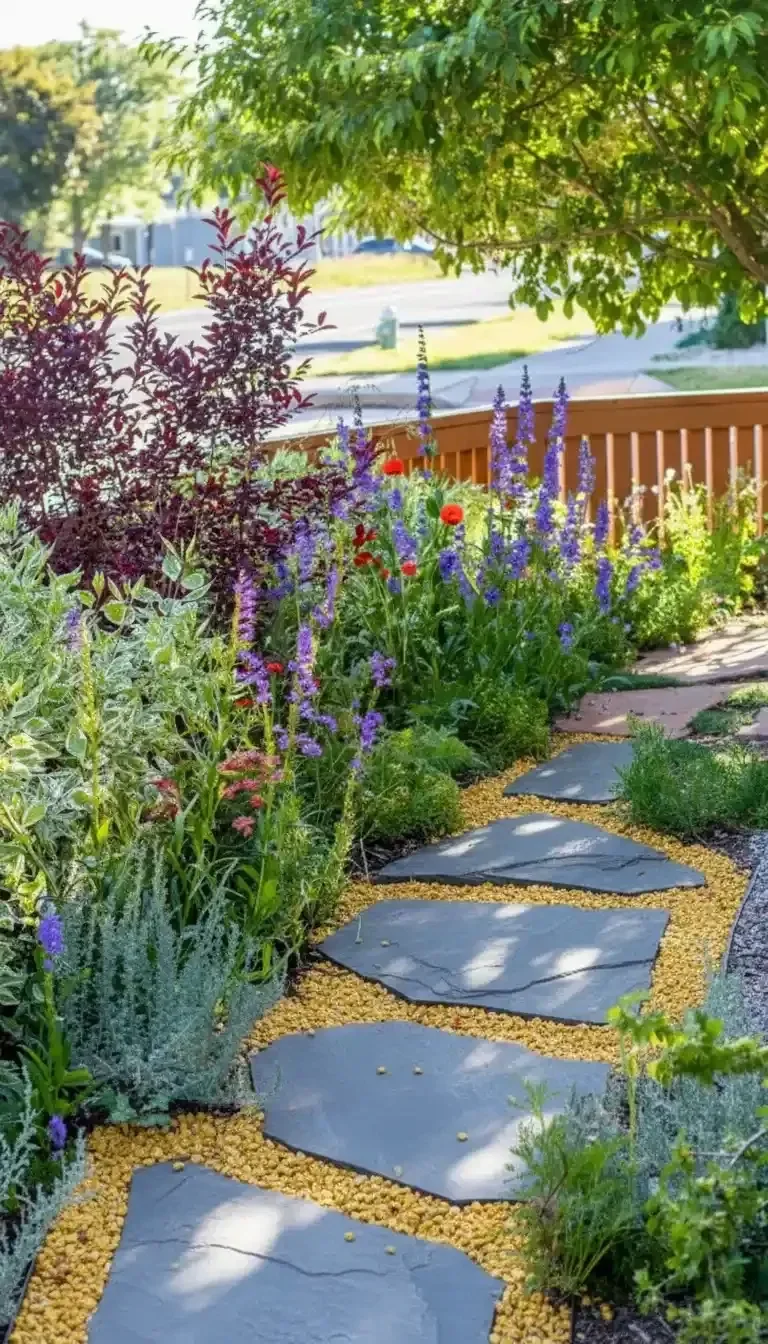
Creating a stunning pollinator garden requires thoughtful planning. Follow these practical tips to ensure your garden flourishes and attracts beneficial insects and wildlife.
Choose Native Plants
Selecting native plants is vital for the success of your pollinator garden. These plants are better adapted to your local climate, soil, and wildlife. Here are a few native species to consider:
- Milkweed: Essential for monarch butterflies.
- Coneflower: Attracts bees and provides vibrant color.
- Lavender: A fragrant option that attracts pollinators while offering delightful scent.
Plan Your Layout
A well-thought-out layout can enhance both usability and beauty. Consider using the following ideas:
- Layering Plants: Place taller plants at the back and shorter ones at the front to create visual interest.
- Grouping by Color: Create color zones within your garden to make it visually appealing.
Incorporate Water Features
Water sources not only attract pollinators but also create a serene atmosphere.
- Bird Baths: Encourage birds and bees by adding a simple bird bath.
- Small Ponds: A pond can be an excellent centerpiece for your garden.
Maintain Diversity
Biodiversity is key to maintaining a healthy garden. Consider planting a variety of flowers, herbs, and shrubs to provide ample food sources for pollinators year-round.
Best Color Palettes for Pollinator Gardens
Color plays a significant role in attracting pollinators. Here are some effective color palettes to consider:
Bright Neutrals
Using soft colors, such as whites and creams, can create a peaceful environment.
- Plants: White asters and cream-colored daisies.
- Styling Tip: Pair with dark-colored garden furniture for contrast.
Vibrant Mix
Bright colors can attract a range of pollinators.
- Plants: Bright pink zinnias, purple salvia, and yellow sunflowers.
- Styling Tip: Use colorful stepping stones to lead visitors through the garden.
Decorating Tips for Small Spaces
Not every homeowner has a sprawling yard, but you can still create a pollinator garden in smaller areas. Here are practical ideas:
- Container Gardening: Use pots for flowers and herbs; they can be placed on balconies or patios.
- Vertical Gardens: Installing vertical planters can save space and create an eye-catching display.
Common Mistakes to Avoid
While designing your pollinator garden, be mindful of these common pitfalls:
- Overwatering: Too much water can harm plants, especially drought-tolerant varieties.
- Ignoring Sunlight Needs: Ensure plants are getting the right amount of sunlight based on their needs.
20 Ideas for Pollinator Gardens
1. Butterfly Friendly Beds
Create dedicated flower beds filled with butterfly-attracting blooms like milkweed and black-eyed Susans. This can be both colorful and functional.
2. Bee Baths
Incorporate shallow dishes filled with pebbles and water to create safe drinking spots for bees.
3. Edible Flowers
Integrate flowers like nasturtiums and pansies into your garden. They are not only beautiful but also edible.
4. Herb Spiral
Construct a spiraled herb garden with plants like oregano, thyme, and rosemary at different heights for easy access and diversity.
5. Pollinator Pathway
Design a pathway through your garden leading visitors from one flower to the next, increasing interaction with pollinators.
6. Recycled Materials
Use recycled wood to create raised beds or an insect hotel, making gardening sustainable and eco-friendly.
7. Colorful Trellis
Install a trellis with climbing plants like sweet peas and morning glories for height and visual interest.
8. Seasonal Blooms
Choose plants that bloom in different seasons to ensure there is always food available for pollinators.
9. Plant Combinations
Experiment with companion planting, such as pairing marigolds with vegetables to deter pests.
10. Wildlife Corners
Create a section of your garden that remains wild and untouched to encourage insects and small mammals.
11. Sensory Gardens
Incorporate aromatic herbs and textured plants to stimulate the senses.
12. Native Pollinator Houses
Install bee houses made from natural materials to provide nesting spaces for solitary bees.
13. Colorful Annuals
Add annuals like zinnias and cosmos to create pops of color and attract a variety of pollinators.
14. Ground Cover Plants
Use ground cover plants like creeping thyme to minimize soil erosion and provide habitats.
15. Flowering shrubs
Add flowering shrubs like catmint for additional layers of greenery and beauty.
16. Mulch Layers
Mulch with organic materials to conserve moisture and suppress weeds while enhancing soil quality.
17. Scented Pathways
Create scent-inspired pathways with fragrant flowers, like lilacs or rosemary, leading visitors through your garden.
18. Vertical Planters
Utilize wall-mounted vertical planters to make efficient use of space while adding dimension.
19. Decorative Fencing
Dress up the fence surrounding your garden with climbing plants or vines for a romantic touch.
20. Seasonal Decorations
Incorporate seasonal decor like pumpkins in the fall or colorful ornaments during holidays.
Expert Tips for Creating a Sustainable Pollinator Garden
Gardening experts suggest several practices that ensure your pollinator garden is both attractive and functional:
- Layering Textures: Mix tall and short plants to create depth and interest.
- Natural Pest Control: Employ companion planting to deter pests without chemicals.
- Climate Adaptation: Choose drought-resistant varieties to minimize water use without sacrificing beauty.
Frequently Asked Questions
What types of plants are best for attracting bees?
Select plants like lavender, sage, and bee balm, which are known for attracting various bee species.
How do I create a water-wise garden from scratch?
Focus on using drought-resistant native plants, employ mulching strategies, and establish a proper irrigation system for longevity.
Can I create a pollinator garden in a small space?
Absolutely! You can use pots or raised beds to grow pollinator-friendly plants in smaller areas.
What are some common mistakes while planting a pollinator garden?
Overcrowding, not considering sunlight needs, and neglecting to include a variety of blooms throughout the seasons are common pitfalls.
How can I maintain my pollinator garden?
Regular maintenance includes weeding, deadheading spent flowers, and staying aware of any pest issues while avoiding chemical sprays.
Suggested External Ressources
Creating a pollinator garden like Betsy’s Bee Pollinator Garden is not only a rewarding endeavor but also a critical move towards sustainability and natural living. With thoughtful design and careful plant selection, you can establish a beautiful, thriving space that supports both wildlife and your well-being. Embrace the joys of gardening; your pollinator friends will thank you!