Landscaping around trees and bushes
Landscaping Around Trees and Bushes: Creating a Lush and Inviting Outdoor Space
Landscaping around trees and bushes is not just about aesthetics; it’s an opportunity to create a harmonious outdoor living space that enhances your home’s beauty and connects it with nature. Whether you have towering oaks, delicate birch trees, or a hedge of flowering bushes, how you design this area can radically transform your garden’s ambiance.
In this article, we will explore practical techniques, inspiring ideas, and essential tips to help you landscape around trees and bushes beautifully. By the end, you’ll have all the tools and inspiration needed to create an outdoor space that feels cozy, inviting, and perfectly aligned with the principles of natural living.
Table of Contents
Why Landscaping Around Trees and Bushes Is Trending in Modern Homes
In recent years, more homeowners have turned their attention to outdoor spaces as an extension of their living areas. Landscaping around trees and bushes provides numerous benefits, including:
- Aesthetic Appeal: A well-designed landscape enhances the visual charm of your garden, creating a seamless transition from nature to home.
- Functional Spaces: By incorporating seating areas, walkways, or garden beds, you can transform unused spaces into functional gathering areas.
- Supporting Ecology: Thoughtfully planned landscaping can foster a healthier ecosystem, inviting more wildlife into your garden and contributing to urban greening efforts.
- Increased Property Value: Attractive landscaping can boost your home’s curb appeal, making it more appealing to potential buyers.
Modern landscaping trends emphasize natural elements, simple designs, and sustainable practices, making this a perfect time to elevate your outdoor environment.
How to Design a Beautiful Landscape Around Trees and Bushes
Designing a landscape around trees and bushes begins with understanding the existing environment, including sunlight, soil, and moisture levels. Here is a step-by-step approach to help you get started:
Assess Sunlight and Soil Conditions
- Sunlight Exposure: Determine how much sun different areas receive throughout the day. This affects what plants and flowers will thrive near your trees and bushes.
- Soil Quality: Test your soil to understand its pH level and nutrient content. Improving poor soil quality can lead to healthier plants and better growth.
Select the Right Plants
Choose companion plants that thrive in similar conditions as your trees and bushes. Some excellent selections include:
- Shade Tolerant Plants: Use ferns, hostas, and astilbes under trees that create dense shade.
- Flowering Bushes: Consider planting colorful azaleas or hydrangeas near your existing bushes to add layers of texture and color.
- Ground Covers: Creeping thyme or sweet woodruff can fill spaces without competing for resources.
Create Layers and Textures
Using varying plant heights and visual textures creates depth and interest in your landscape. You can achieve this by:
- Layering: Place taller plants at the back and shorter plants in the front to create a visually appealing layered effect.
- Textural Variety: Mix plants with smooth, spiky, and leafy textures. For example, combine the ruffled leaves of hostas with the glossy leaves of hydrangeas.
Incorporate Hardscaping
Hard landscaping elements not only enhance the beauty of your garden but also offer practical solutions for paths and seating:
- Garden Paths: Create paths that wind around trees and through bushes with natural stone or gravel. This invites exploration and maintains garden integrity.
- Seating Areas: Integrate benches or chairs that allow you to enjoy your landscape comfortably.
Best Color Palettes for Landscaping Around Trees and Bushes
Color plays a crucial role in creating visual harmony in your garden. Here are popular color palettes that can help you choose the right plants and decor:
Earthy Tones
- Colors: Greens, browns, warm yellows.
- Plants: Use deep green ferns and vibrant yellow flowers to blend harmoniously with the natural surroundings.
Cool & Calming
- Colors: Blues, purples, and whites.
- Plants: Incorporate lavender, bluebells, and white daisies for a soothing and serene landscape.
Vibrant Contrasts
- Colors: Bright pinks, oranges, and reds.
- Plants: Go for bold annuals, such as marigolds and petunias, to add pops of color near the bases of trees.
Ideas Section: 20 Ideas for Landscaping Around Trees and Bushes
- Flowering Perennials
- Add a border of flowering perennials around trees to create vibrant seasonal displays.
- Styling Tip: Choose plants that bloom at different times for a continuous display.
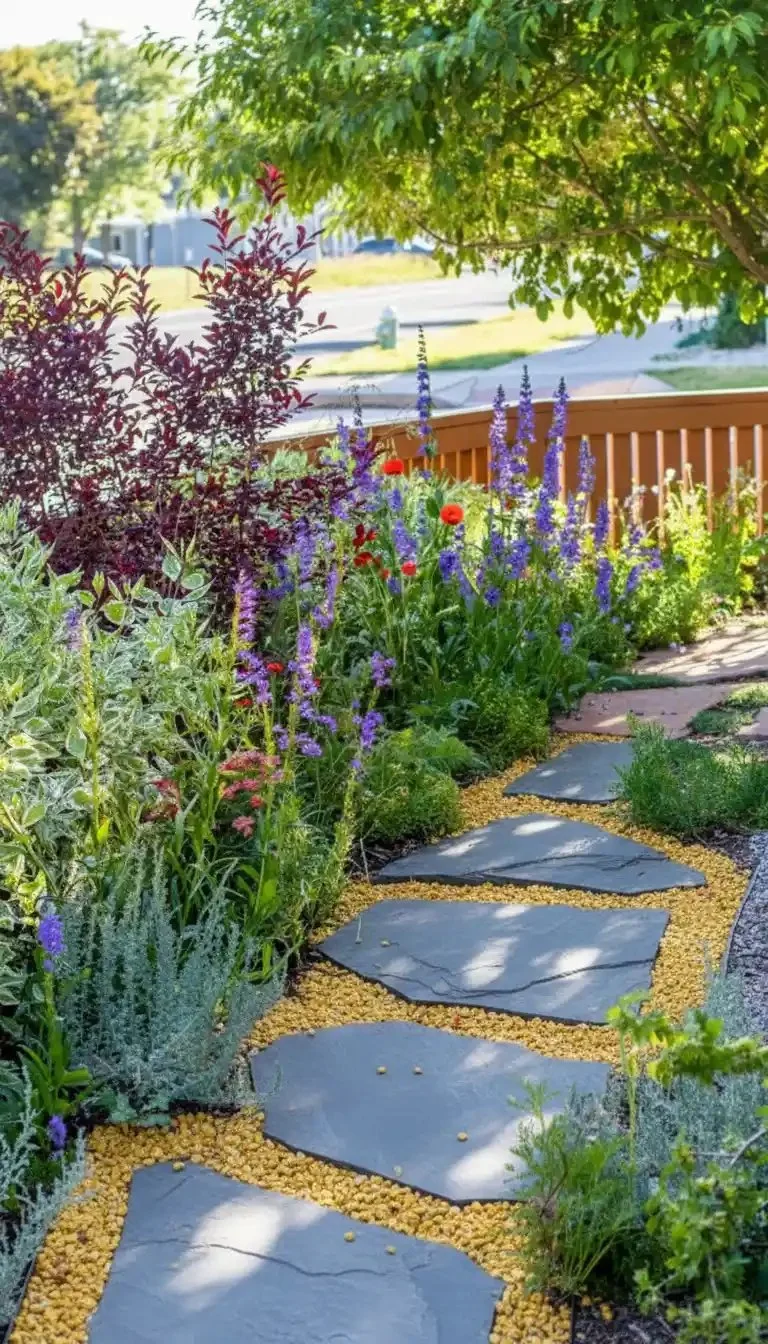
- Natural Rock Pathways
- Install natural stone pathways that weave around trees and shrubs, guiding visitors through your garden.
- Styling Tip: Use pebbles or gravel to fill in gaps for a rustic look.
- Bark Mulch Ground Cover
- Use bark mulch to suppress weeds and retain moisture while enhancing the natural look of your landscape.
- Styling Tip: Opt for dark mulch to provide a beautiful contrast against lighter soil.
- Seating Benches
- Incorporate wooden benches next to your trees for a practical resting spot.
- Styling Tip: Choose weather-resistant stains to ensure durability.
- Vertical Garden Walls
- Construct vertical gardens on tree trunks or nearby fences – a clever way to utilize space.
- Styling Tip: Use small pots or pockets to create compact green walls filled with flowers.
- Wildflower Gardens
- Plant a wildflower garden that thrives in the sunlight filtering through tree branches.
- Styling Tip: Mix perennial and annual wildflowers for vibrant seasonal interest.
- Fruit- and Flower-Tree Combos
- Plant flowering ground cover and fruit-bearing shrubs around small trees for dual function.
- Styling Tip: Position edible flowering plants like nasturtium nearby for added flavor.
- Outdoor Lighting
- Use soft outdoor lighting to highlight trees and bushes during the evening.
- Styling Tip: Opt for solar lights that are eco-friendly and energy-efficient.
- Decorative Fencing
- Install decorative fencing to create a visual boundary while accentuating the beauty of your landscape.
- Styling Tip: Choose wood or woven materials that harmonize with natural elements.
- Rock Features or Boulders
- Integrate boulders into your landscape design to add a touch of rugged charm.
- Styling Tip: Position rocks in clusters for a naturally occurring look.
- Seasonal Planters
- Position decorative planters around trees that display seasonal blooms or foliage changes.
- Styling Tip: Select planters in neutral or natural finishes to coordinate seamlessly.
- Butterfly Garden
- Plant nectar-rich flowers to attract butterflies and create a lively ecosystem around your trees.
- Styling Tip: Include plants like coneflower, milkweed, and zinnias to create a vibrant scene.
- Shade Lovin’ Clusters
- For deeply shaded areas, create clusters of shade-loving plants like hostas or astilbes.
- Styling Tip: Mix foliage shapes and sizes for movement in the shade.
- Zen Garden Elements
- Include rock rakes and pebbles around trees to achieve a serene Zen garden atmosphere.
- Styling Tip: Incorporate small water features to elevate tranquility.
- Colorful Trellises
- Install trellises near bushes to encourage climbing plants that provide additional blooms.
- Styling Tip: Use vibrant climbers like morning glories for striking color.
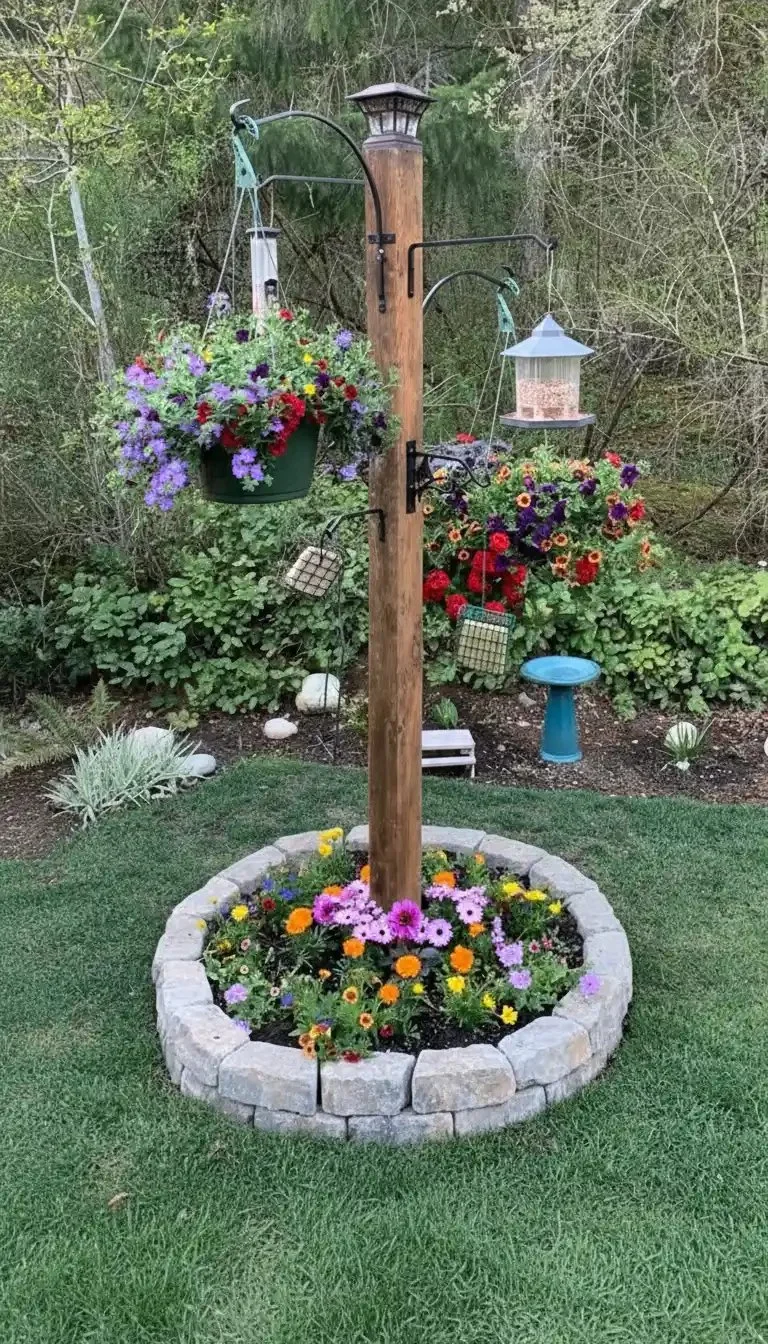
- Birdhouses and Feeders
- Install birdhouses or feeders in trees to invite local wildlife into your garden.
- Styling Tip: Choose rustic designs that blend without disturbing the natural landscape.
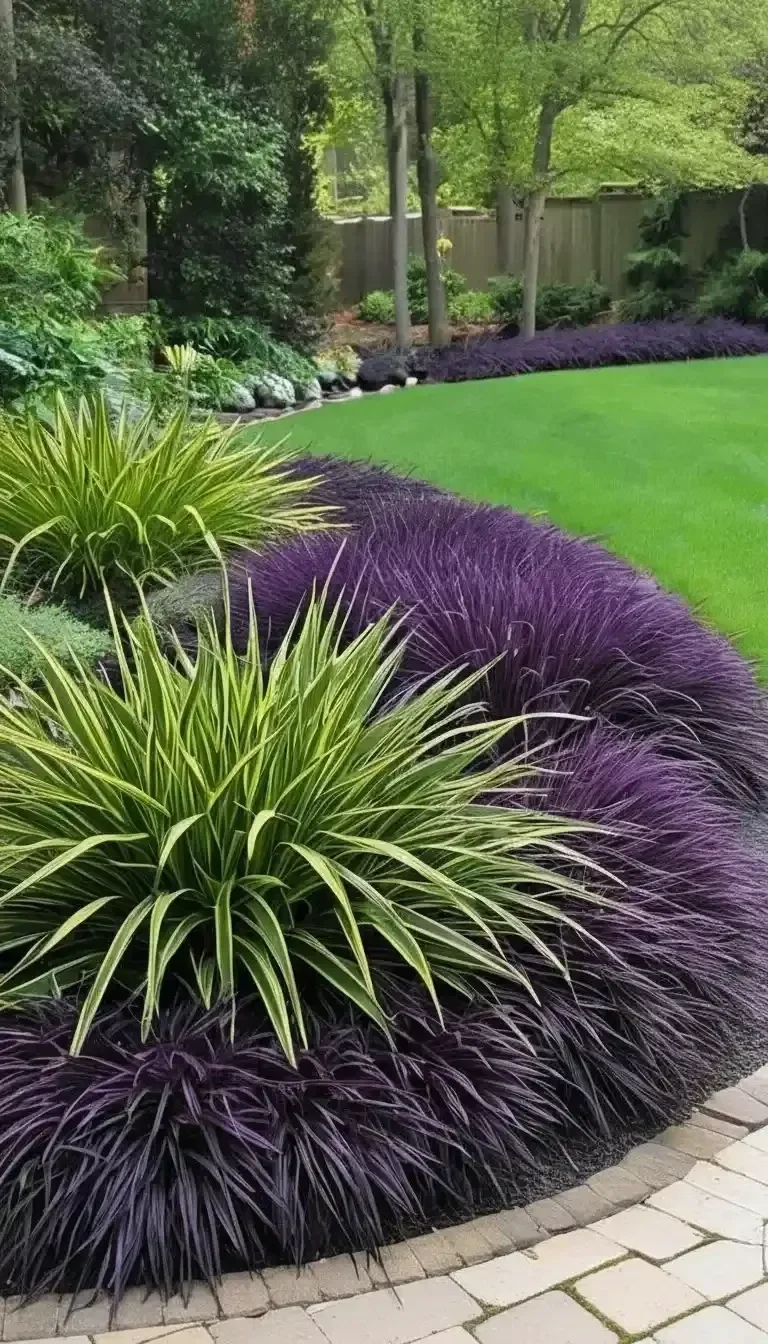
- Lush Ground Covers
- Incorporate lush ground covers between tree roots to prevent soil erosion.
- Styling Tip: Select resilient varieties like creeping phlox or vinca minor.
- Outdoor Rugs
- Place outdoor rugs in seating areas around trees for comfort and style.
- Styling Tip: Choose UV-resistant materials with earthy tones for a natural look.
- Herb Spiral Garden
- Create an herb spiral garden around bushes for a functional yet stylized landscape.
- Styling Tip: Choose a blend of perennial and annual herbs for continuous harvesting.
- Seasonal Decorations
- Adorn your trees and bushes with seasonal decorations like fairy lights or fall garlands.
- Styling Tip: Keep motifs consistent for a stylish and coherent feel.
Expert Tips for Successful Landscaping
Interior designers recommend these expert tips for achieving an elegant and cohesive landscape around your trees and bushes:
- Layering Textures: Incorporate a mix of smooth, spiky, and leafy textures to create visual intrigue.
- Mixing Natural Materials: Use materials like stone, wood, and metal to add variety and depth to your landscape.
- Using Plants for Balance: Balance taller structures with visually weighty plants to ensure a harmonious composition.
- Consider Seasonal Changes: Choose plants that offer year-round interest, from colorful blooms in spring to vibrant foliage in fall.
Frequently Asked Questions
What types of plants should I plant around trees?
Choose companion plants that thrive in similar conditions. Consider using shade-loving plants under large trees while opting for flowering shrubs near smaller varieties.
How can I prevent weeds around my trees and bushes?
Using mulch, ground covers, and fabric barriers can help suppress weed growth while retaining moisture.
Can I plant vegetables near my flowering bushes?
Yes, many flowering bushes can serve as companions for favorite edibles. Just ensure they have similar light and water requirements.
What is the best time to landscape around trees and bushes?
Early spring or late fall are ideal times to landscape, allowing plants to establish roots before the heat of summer or the frost of winter.
How do I ensure my landscaping is eco-friendly?
Select native plants that thrive in your region’s climate and reduce the need for water and chemicals. Additionally, consider using organic fertilizers for a sustainable approach.
By thoughtfully landscaping around your trees and bushes, you create a harmonious balance of nature and home, making your outdoor spaces both inviting and functional. Whether you opt for a vibrant wildflower garden or a serene Zen-like atmosphere, these ideas and tips pave the way for a landscape that reflects your personal style while supporting your natural living journey.
References: