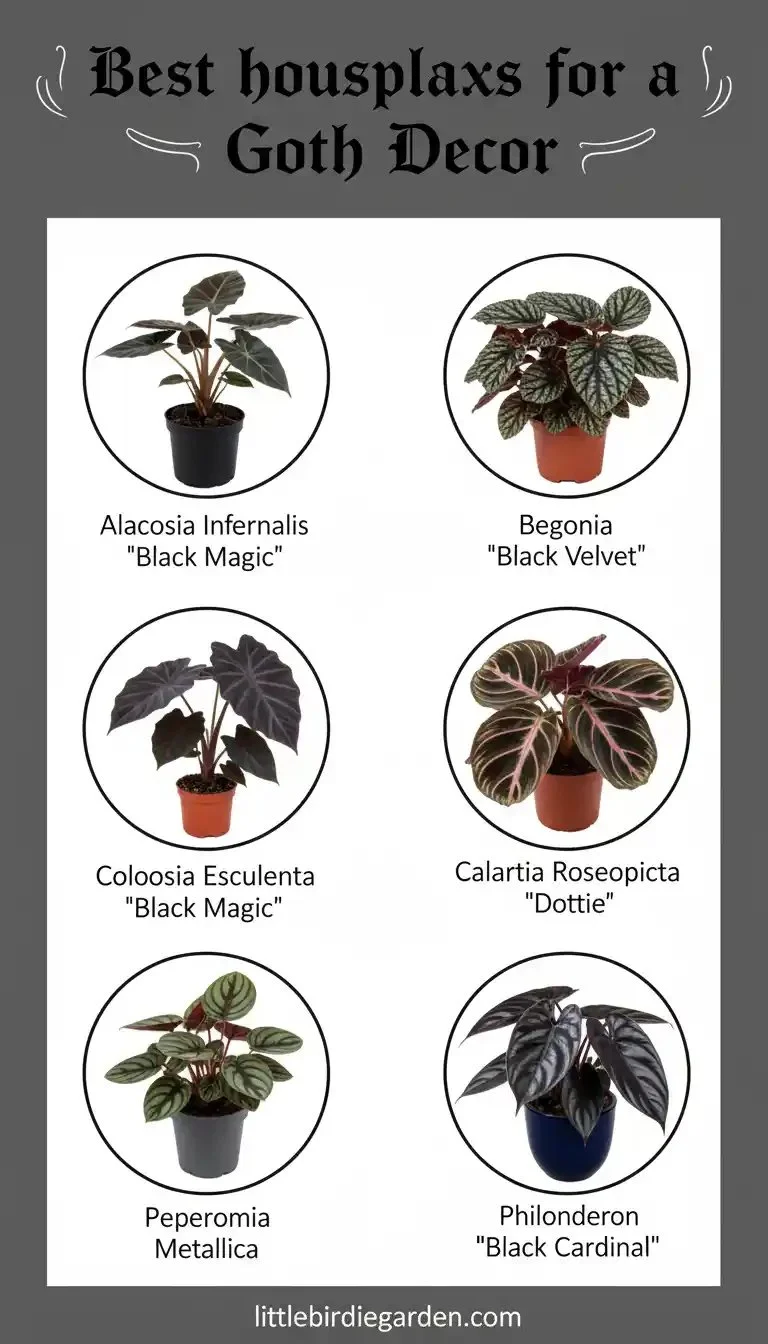
Enchanting Gothic Gardens : 20 Inspiring Ideas
Enchanting Gothic Gardens: 20 Inspiring Ideas for Your Garden
Creating a Gothic garden or witch garden can transform your outdoor space into an enchanting retreat that reflects your love for nature and aesthetic beauty. Inspired by the whimsical and mystical, these gardens often feature dark hues, unusual plants, and forms of garden art that bring a sense of magic to your home.
In this article, we’ll explore practical ideas, design tips, and styling suggestions to help you cultivate your very own Gothic garden. From choosing the right plants to integrating captivating garden art, you will learn everything necessary to create an atmospheric space that is both serene and mysterious.
Table of Contents
Why Gothic Gardens Are Trending in Modern Homes
The allure of Gothic gardens stems from their ability to evoke emotion through design. They offer a sanctuary where individuals can escape the chaos of everyday life and reconnect with nature in a creatively captivating way. Here are a few reasons why this aesthetic is gaining popularity:
- Mystical Aesthetics: The combination of dark foliage, unique flowers, and whimsical features creates an otherworldly charm that appeals to many homeowners.
- Personal Expression: The creativity involved in cultivating a witch garden allows for personal expression, inviting a sense of artistry into outdoor spaces.
- Connection to Nature: With an emphasis on natural elements, Gothic gardens often incorporate sustainable practices that bring a harmonious balance to any home.
As homeowners increasingly seek cozy, inviting spaces that tell a story, Gothic gardens emerge as an ideal choice for those desiring to combine nature with creative flair.
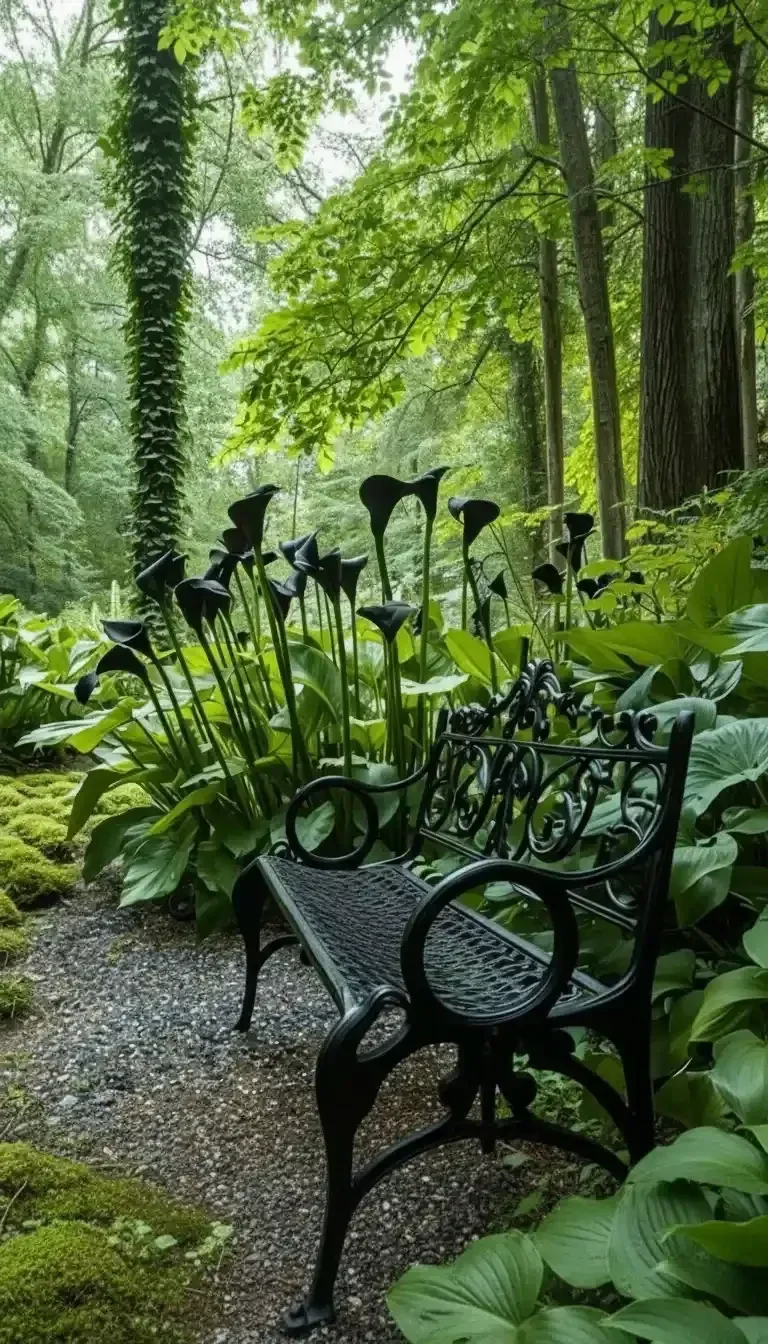
How to Design a Beautiful Gothic Garden
Designing a Gothic garden begins with careful planning and a thoughtful selection of elements to achieve the desired ambiance. Here are some essential steps to consider when starting your transformation:
Choose the Right Plants
Select plants that embody the essence of darkness or have mystical qualities. Here are some suggestions:
- Black-Eyed Susans: These annuals offer a touch of brightness amid deeper colors.
- Heuchera (Coral Bells): With stunning dark leaves, they add texture to your garden.
- Blue Globe Thistle: Known for its spiky blue flowers, this plant has a unique character.
Incorporate Architectural Elements
Consider adding features that reflect Gothic architecture, such as:
- Arches and Trellises: Beautifully crafted wooden or wrought iron trellises can create an enchanting entryway.
- Statues: Incorporating statues of mythical creatures or figures can enhance the mystical aura.
Create Layers for Depth
Incorporating plants at varying heights improves visual interest. Layer tall plants at the back of beds, medium plants in the middle, and shorter plants in front. Use elements like garden stones or dwarf trees to maintain a sense of structure.
Best Color Palettes for Gothic Gardens
Color plays a vital role in defining the mood of your Gothic garden. Here are some color palettes to consider that suit the theme:
- Deep Purples and Blacks: This classic combination creates an air of mystery. Think of plum-colored flowers or dark foliage with contrasting silver accents.
- Rich Greens with Pops of Burgundy: Incorporate vibrant green foliage with dark red blooms, combining life and an edge of romance.
- Moody Neutrals: Utilize shades of gray, beige, and taupe as a backdrop for your darker plants, offering a soft yet dramatic contrast.
Decorating Tips for Small Spaces
Creating a Gothic garden doesn’t require a large yard. Even smaller spaces can exude charm with strategic design choices:
- Vertical Gardening: Utilize wall planters or hanging pots to maximize limited space.
- Potted Plants: Consider container gardening using Gothic-themed pots that can easily be rearranged.
- Mirrors: Incorporate mirrors strategically to create an illusion of spaciousness while enhancing the dark atmosphere.
Common Mistakes to Avoid
When cultivating a Gothic garden, be mindful of these common pitfalls:
- Overcrowding with plants: Leave room for each plant to thrive.
- Ignoring plant care: Each plant has specific needs; research to ensure successful growth.
- Clashing styles: Stick to a cohesive theme to maintain the intended Gothic aesthetic.
20 Ideas for Creating an Enchanting Gothic Garden
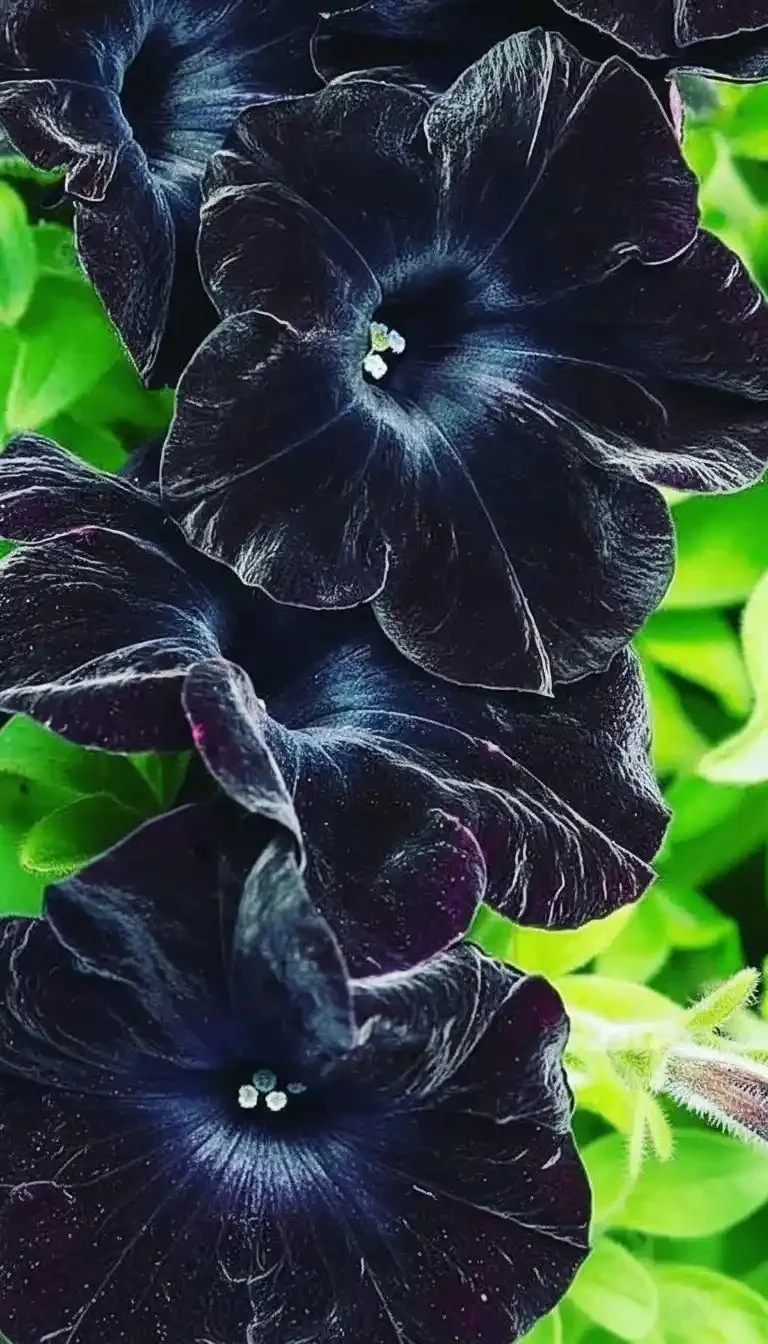
- 1. Black Roses: Create a striking focal point with these dark-hued flowers. Styling Tip: Pair with silver foliage to enhance contrast.
- 2. Antique Birdbaths: Incorporate an old-fashioned birdbath for a classic touch. Styling Tip: Add floating candles for a magical nighttime glow.
- 3. Moon Garden: Plant white or silver flowers that glow in the moonlight. Styling Tip: Position them near seating areas for an enchanting effect.
- 4. Wrought Iron Fencing: Define your space with wrought iron for a historical feel. Styling Tip: Allow climbing plants to entwine through the ironwork.
- 5. Gothic Lanterns: Scatter lanterns throughout your garden for evening charm. Styling Tip: Use candles or solar lights for a warm, inviting glow.
- 6. Stone Pathways: Create winding paths with cobblestones or slate. Styling Tip: Line with low-growing dark plants for a cohesive look.
- 7. Shadowy Shrubs: Opt for dark or variegated shrubs around borders. Styling Tip: Mix with lighter-toned flowers for balance.
- 8. Chilling Statues: Add a gargoyle or mythical creature statue for intrigue. Styling Tip: Position among foliage to appear as if they are watching over the garden.
- 9. Bell Jar Terrariums: Showcase dark or unusual plants under glass. Styling Tip: Use them on tables as conversation starters.
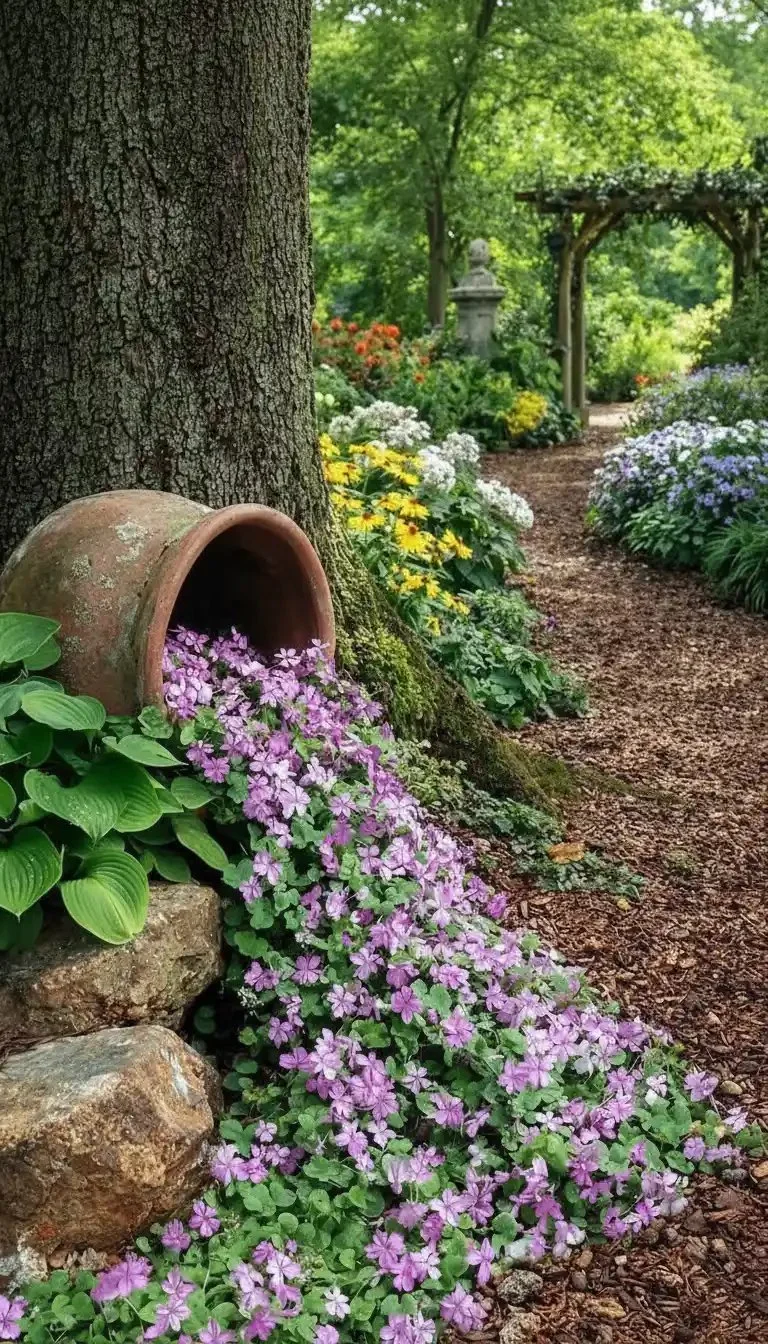
- 10. Terracotta Planters: Use aged terracotta pots for a rustic feel. Styling Tip: Paint them with dark hues for added character.
- 11. Succulent Displays: Incorporate Gothic-themed succulents for easy care. Styling Tip: Mix black and dark green varieties for striking compositions.
- 12. Twisted Branch Trellises: Create a natural archway with twisted branches. Styling Tip: Fasten climbing plants to enhance the beautiful curves.
- 13. Ghostly Foliage: Use plants like Ghost Ferns for a unique look. Styling Tip: Pair with deep-hued flowers for added drama.
- 14. Misted Water Features: Incorporate a small water feature for a serene ambiance. Styling Tip: Ensure rocky or dark-colored elements are included for cohesion.
- 15. Vintage Furniture: Include wrought iron chairs and tables for seating. Styling Tip: Choose distressed wood colors to complement the theme.
- 16. Moonlit Gatherings: Create a dedicated area for gatherings. Styling Tip: Use dark outdoor fabrics for cushions or throws.
- 17. Ethereal Wind Chimes: Incorporate chimes made of natural materials. Styling Tip: Choose dark or muted tones for serene sounds in the breeze.
- 18. Seasonal Decor: Celebrate seasonal changes with woven decorations. Styling Tip: Use neutral or muted colors that fit into the Gothic theme.
- 19. Herb Spiral: Build a spiral bed for culinary herbs. Styling Tip: Frame with dark stones for a defined look.
- 20. Enchanted Forest Vibe: Combine ferns and moss for a forest-like feel. Styling Tip: Utilize layers and varying heights for depth.
Expert Tips for a Thriving Gothic Garden
Interior designers emphasize the importance of mixing natural materials, layering textures, and curating a harmonious space. Here are a few actionable advice points:
- Layering Textures: Use a mix of rough and smooth textures to create depth. Incorporate various materials such as stone, wood, and metal.
- Sustainable Practices: Choose native plants that thrive in your local climate, promoting harmony with the environment.
- Seasonal Updates: Regularly change up decor and plants to keep the garden fresh and vibrant through all seasons.
Frequently Asked Questions
What plants thrive in a Gothic garden?
Plants that fit the Gothic aesthetic include dark roses, black pansies, and purple foliage varieties like Elderberry and Heuchera.
How can I integrate garden art into my Gothic garden?
Consider using statues, lanterns, and trellises that echo Gothic architecture, such as wrought iron pieces, to enhance the environment.
What colors work best in witch garden designs?
Dark purples, deep greens, blacks, and muted tones help create a mystical atmosphere. Accents of silver or white can provide contrast.
How do I create mood lighting in my garden?
Use lanterns with candles or solar lights to create an enchanting ambiance, particularly during gatherings or at night.
How do I maintain a witch garden throughout the year?
Regularly prune and clean out dead plants, and consider integrating bulbs for seasonal blooms. Rotate decor with the changing seasons for variety.
In conclusion, creating your Gothic or witch garden presents an opportunity to experiment with design and bring a touch of enchantment to your environment. With these practical ideas, tips, and inspirations, you are well-equipped to start building your very own sanctuary amid nature. Embrace creativity, play with textures, and enjoy the tranquil fulfillment that comes from nurturing your magical green space.
For more inspiration, check out these resources: Better Homes & Gardens and The Spruce for practical garden ideas and home decor tips.