25 Enchanting Gothic Garden Ideas
25 Enchanting Gothic Garden Ideas to Elevate Your Home Decor
Creating a stunning Gothic garden is more than just a landscaping choice; it is a lifestyle that resonates with mystery, beauty, and the ethereal charm of nature. As we delve into the concept of a Gothic garden, inspired by enchanting cactus arrangements, coexisting plants, and popular design trends, you will discover unique ideas to invoke a sense of whimsy and tranquility in your outdoor spaces.
Whether you are seeking dramatic visual elements or the subtle presence of diverse plants, this guide will equip you with actionable insights and inspiring ideas to bring your Gothic vision to life. Embrace the allure of the dark and beautiful, and make your garden a sanctuary of aesthetic wonder.
Table of Contents
Why Gothic Gardens are Trending in Modern Homes
Gothic gardens have recently gained popularity among homeowners seeking a departure from traditional landscaping. Their appeal lies in the combination of lush greenery with darker aesthetic elements that evoke a sense of nostalgia and intrigue. Here are some reasons why Gothic gardens are making waves in home decor:
- Striking Visual Contrast: The dramatic combination of deep colors, textures, and shapes creates an eye-catching experience.
- Personal Expression: They offer a unique way to reflect an individual’s personality and taste.
- Versatile Planting: You can select from a wide array of plants, including cacti, succulents, and flowering species, while integrating hardscape elements like stone pathways and wrought-iron accents.
With their mystical charm, Gothic gardens allow homeowners to curate personalized outdoor retreats that enchant and inspire.
How to Design a Beautiful Gothic Garden
Designing a Gothic garden requires a careful balance of plants, color palettes, and architectural features. Here’s a step-by-step approach:
Choose the Right Plants
To achieve the Gothic look, select plants that can withstand your climate while adding depth and intrigue. Here are some popular selections:
- Cacti and Succulents: Use various textures and colors, such as the classic Gothic cacti that stand tall and formidable.
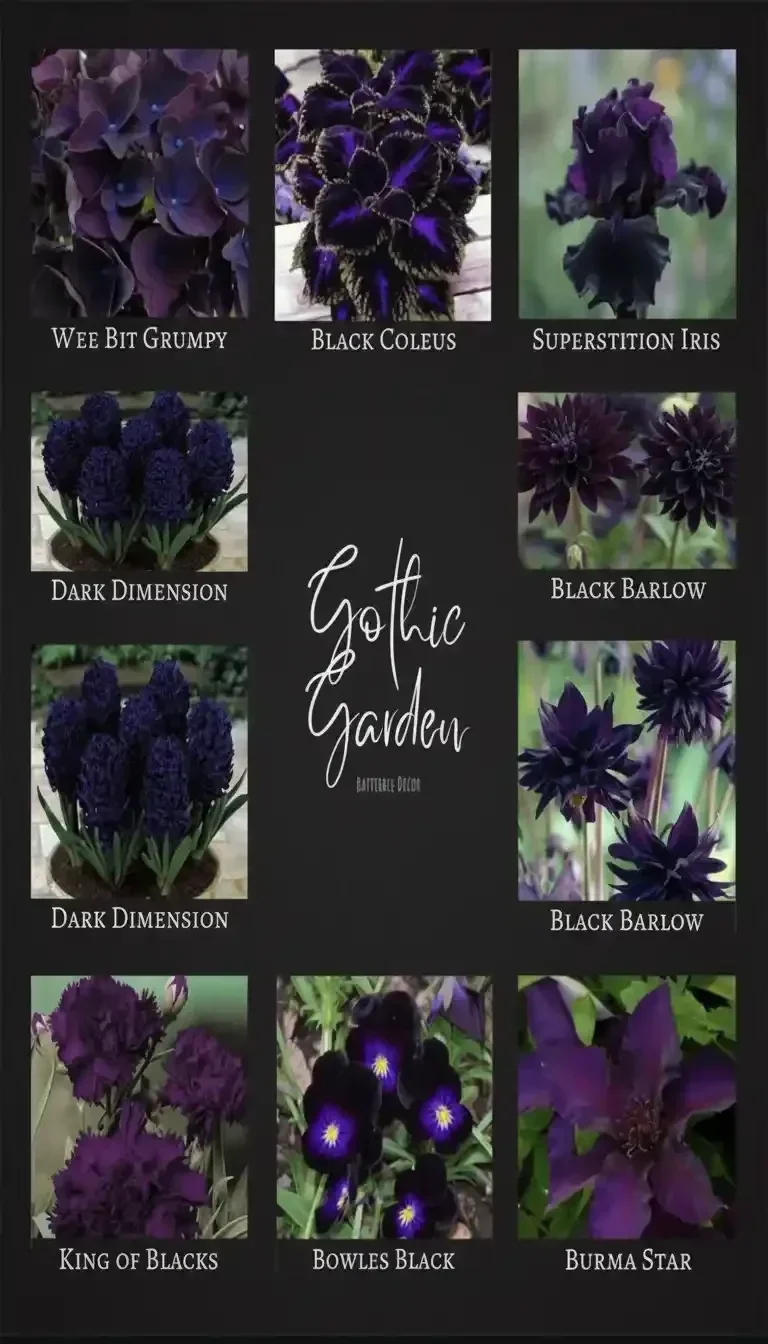
- Dark-Foliaged Plants: Incorporate species like Black Pearl Pepper or Purple Calla Lilies for stunning contrast with lighter elements.
- Flowering Plants: Choose blooms like Black Roses or dark-hued Irises for a dramatic touch.
Incorporate Architectural Elements
Architectural features are essential for creating a cohesive Gothic garden design. Consider these options:
- Stone Pathways: Create winding paths that guide visitors through your garden, lined with bushes and dark flowers.
- Arbors and Archways: Install arched trellises adorned with climbing plants like Wisteria or Moonflowers for a romantic effect.
- Water Features: Fountain ponds or reflective surfaces can introduce a serene element that enhances the Gothic atmosphere.
Best Color Palettes for Gothic Gardens
Color plays a significant role in achieving the desired Gothic aesthetic. Here are some color palettes that work well in a Gothic garden:
Deep Jewel Tones
- Plum: Rich in texture and warmth, plum can create a cozy feel.
- Emerald Green: This lush tone adds depth and complements both light and dark elements in the garden.
Monochromatic Grays and Blacks
- Shades of gray combined with black can foster an elegant and sophisticated ambiance.
- Consider using volatile textures, such as dark-stone gravel, to ground the space.
Mysterious Pastels
- Soft shades of lavender or faded pink alongside deeper hues can create a whimsical yet dark contrast.
Decorating Tips for Small Spaces
Creating a Gothic garden in a smaller area requires clever styling solutions that maximize the space effectively. Here are some practical tips:
- Vertical Gardens: Utilize wall space to hang planters or create vertical gardens that spiral upwards.
- Dramatic Containers: Use large, decorative pots to anchor your plants while drawing the eye upward.
- Layer Textures: Combine various materials—wood, stone, and metal—to build depth and intrigue.
Common Mistakes to Avoid in Gothic Garden Design
To achieve the desired effect, it is essential to steer clear of certain pitfalls, such as:
- Neglecting Plant Placement: Avoid overcrowded areas that can make your garden feel cluttered.
- Overusing Color: While dark tones are a hallmark of Gothic design, overdoing them can make the space feel somber rather than inviting.
- Ignoring Maintenance: Select plants that you can care for consistently to keep your Gothic garden thriving.
20 Ideas for Gothic Garden Inspiration
1. Cacti Galore
Create a stunning arrangement featuring various cacti, each with its distinct shape and color. Use decorative rocks to enhance the look.
2. Embrace Dark Flowers
Incorporate flowers like Black Calla Lilies or dark-colored Peonies, which add elegance and mystery.
3. Whimsical Pathways
Design winding stone pathways to guide guests through the garden, surrounded by lush greenery.
4. Rustic Wood Accents
Utilize reclaimed wood for benches or planters to add warmth to the dark ambiance.
5. Dramatic Lighting
Incorporate vintage-style lighting fixtures that cast a warm glow at night, enhancing the ethereal charm of the garden.
6. Vertical Planters
Maximize your vertical space with wall-mounted plant holders that add greenery without crowding the floor.
7. Antique Garden Statues
Add character with antique or Gothic-style statues, which serve as focal points throughout the garden.
8. Mirror Reflections
Incorporate mirrors to reflect plants and light, creating an illusion of a larger space.
9. Textured Gravel
Use dark-colored gravel for pathways or borders to provide texture while maintaining a dark aesthetic.
10. Climbing Roses
Train dark red roses to climb trellises or arbors, creating an enchanting vertical element.
11. Candles and Lanterns
Utilize candles and lanterns for soft lighting that enhances the romantic, Gothic atmosphere.
12. Rustic Fencing
Install wrought iron or wooden fencing to create boundaries while enhancing the Gothic look.
13. Dramatic Backdrops
Create a dark, moody backdrop using dark foliage or privacy trees for an intimate feel.
14. Seasonal Decor
Adapt your garden decor with the seasons using Gothic-inspired ornaments or colors that reflect fall or winter themes.
15. Edible Gothic
Grow dark-hued vegetables such as eggplants or purple kale, blending aesthetics with nutrition.
16. Nature’s Palette
Use natural stones or bricks in shades of gray and black to build raised beds or borders.
17. Shadow Play
Experiment with the shadow cast by trees at sunset to create visual interest throughout different times of the day.
18. Integrate Art
Incorporate art pieces that reflect Gothic themes, such as paintings or sculptures of mythical creatures.
19. Sensory Elements
Plant aromatic herbs or fragrant flowers that stimulate the senses while complementing the Gothic theme.
20. Create a Cozy Nook
Designate a small reading corner with comfy seating, surrounded by dark plants and ambient lighting.
Expert Tips for Achieving a Stunning Gothic Garden
To assure a successful Gothic garden that enchants and delights:
- Layer Textures: Mindfully layer different textures, from rough stone to smooth foliage, to create visual interest.
- Mix Nature with Metal: Wrought iron decor elements balanced with lush greenery can strengthen the Gothic aesthetic.
- Incorporate Plants Wisely: Choose plants that will thrive in your local climate while creating a cohesive look.
Frequently Asked Questions
What plants are best suited for a Gothic garden?
Plants like dark-hued roses, cacti, and certain succulents work well, as do flowering plants in deep colors.
How can I create a Gothic garden in a small space?
Utilize vertical growing techniques, striking planters, and dramatic decorative elements to enhance the space.
What colors work well in a Gothic garden?
Deep jewel tones, monochromatic grays, and mysterious pastels all complement a Gothic aesthetic beautifully.
How do I incorporate lighting in a Gothic garden?
Consider vintage lamps, candle sconces, and soft LED lights to create an enchanting nighttime atmosphere.
Are there specific maintenance tips for a Gothic garden?
Choose plants that are suited to your climate and require manageable upkeep. Regular maintenance will ensure your garden thrives.
Suggested External Links
With these insights, your journey into crafting a Gothic garden will be one filled with creativity, inspiration, and a unique touch of nature’s mystery. Embrace the darkness and beauty, and watch your garden come to life!