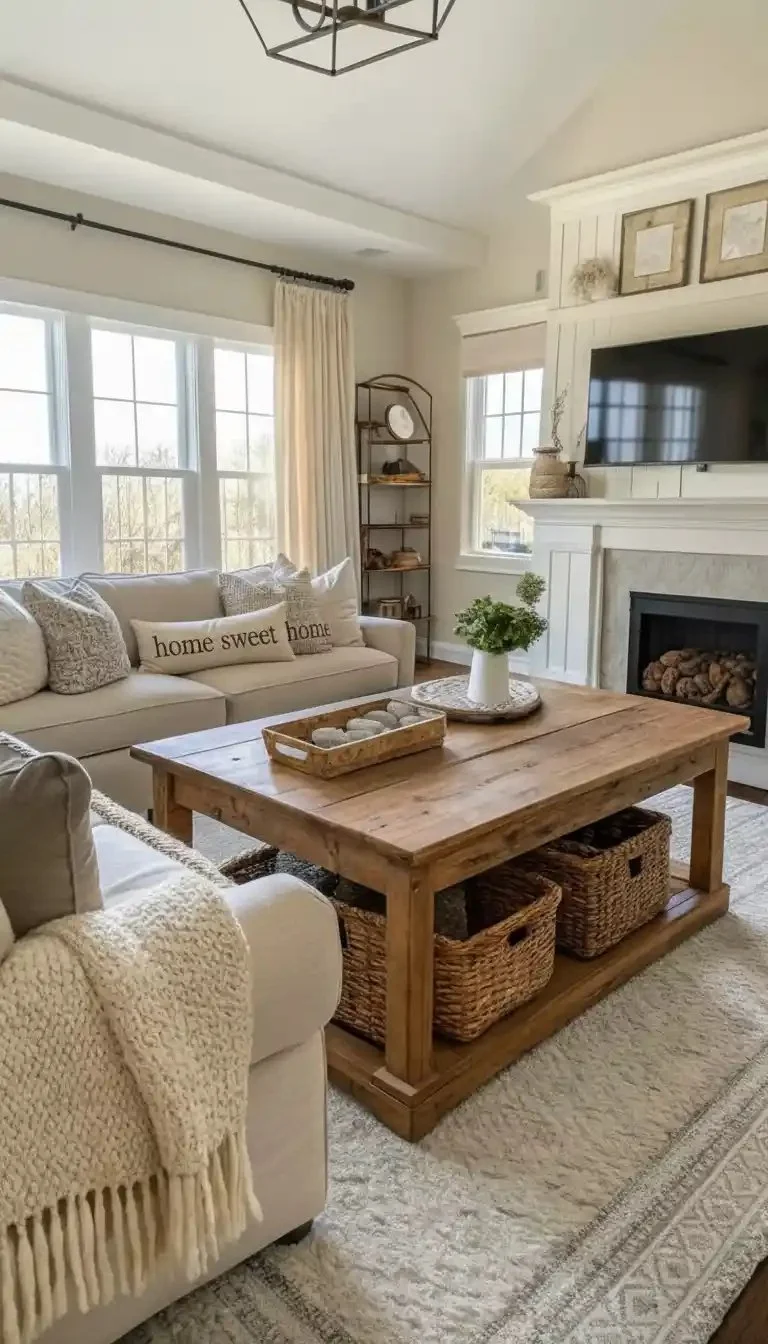
20 Thriving Indoor Plants
20 Thriving Indoor Plants: Secrets to Creating Your Own Gothic Garden
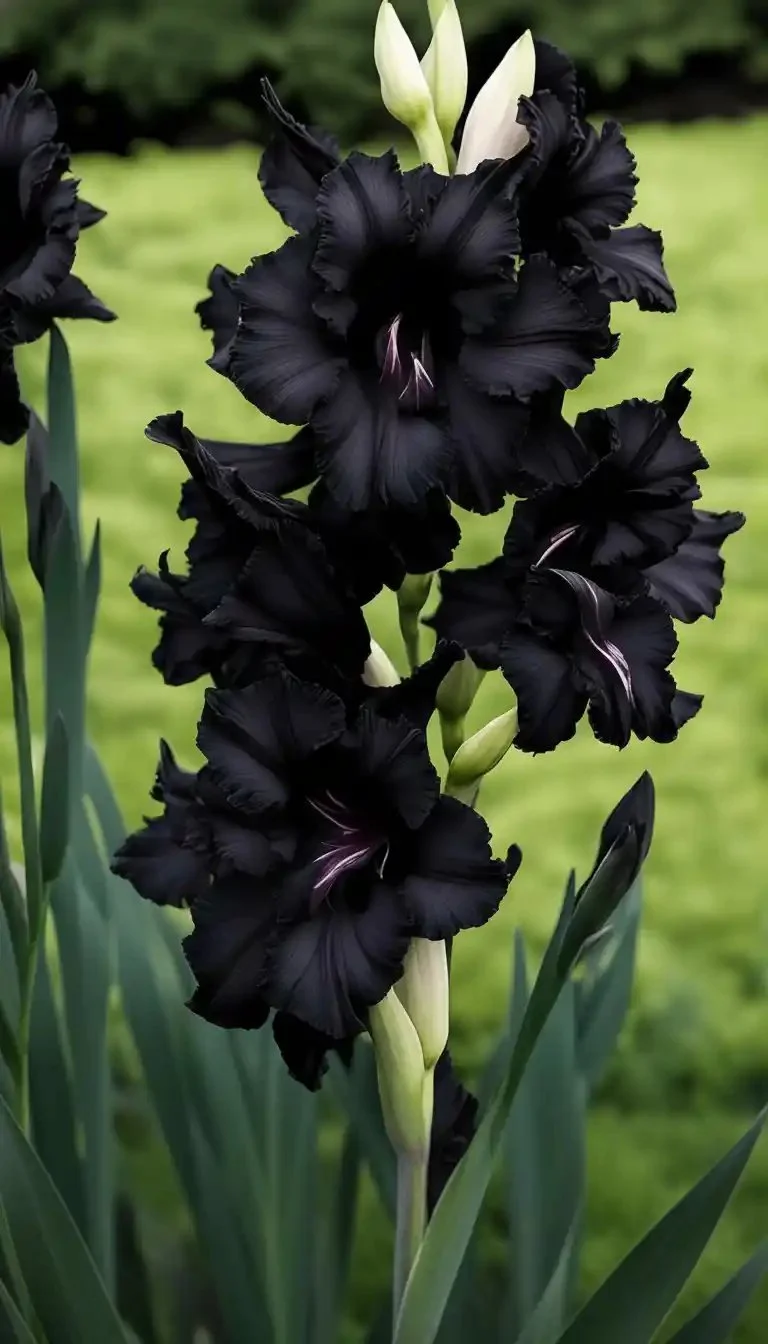
Creating a stunning gothic garden filled with houseplants can bring an enchanting aura to your living space. With the right combination of low-light plants, delicate textures, and intriguing forms, you can transform your indoor space into a lush retreat that reflects your unique style.
In this article, we will explore how to curate your own gothic garden with indoor plants, delving into practical tips, design ideas, color palettes, and common mistakes to avoid. Get ready to immerse yourself in the beauty of growing plants indoors and discover how to make your home cozier and more vibrant.
Table of Contents
Why Indoor Plants Are Trending in Modern Homes

Indoor plants have surged in popularity due to their numerous benefits. These living additions not only enhance the aesthetic appeal of your home but also improve air quality, increase humidity, and create a calming atmosphere. Whether you’re working from home or spending your downtime in a cozy nook, a gothic garden can offer a serene sanctuary.
Health Benefits
- Air Purification: Many indoor plants filter toxins and improve air quality.
- Moisture Regulation: Plants naturally increase humidity, promoting respiratory health.
- Stress Reduction: Being around greenery can lower stress and anxiety levels.
How to Design a Beautiful Gothic Garden Indoors
Creating a gothic garden requires a thoughtful mix of dark and moody tones, alongside a selection of enchanting houseplants. Here are some practical design tips to get started:
Choose the Right Plants
Opt for plants that thrive in low-light conditions, such as:
- Snake Plants
- ZZ Plants
- Pothos
- Peace Lilies
- Spider Plants
Use Layered Textures
Incorporate a variety of plant shapes and textures to create depth. Combine tall plants with cascading ones and interesting foliage that contrasts beautifully with darker planters.
Implement Natural Elements
Use organic materials like driftwood, pebbles, and terracotta to enhance your gothic theme. These elements can add a sense of authenticity and warmth to your indoor garden.
Best Color Palettes for Indoor Gothic Gardens
Color plays a pivotal role in setting the ambiance of your gothic garden. Here are some striking palettes to consider:
Dark and Enigmatic
- Deep Purples: Combining rich purples with dark greens creates a dramatic effect.
- Charcoal and Black: Pair black pots with lush green plants for a sophisticated look.
Jewel Tones
- Emerald Greens: Bring in jewel-toned greens that mimic natural settings.
- Ruby and Amethyst Accents: Add hints of red and purple for an exquisite flair.
Neutrals with a Touch of Glam
- Greys and Whites: A neutral base can be livened up with metallic accents like gold or copper planters.
- Cream and Beige: These colors harmonize well with dark-colored plants.
Decorating Tips for Small Spaces
Maximizing a small area for your indoor gothic garden is doable with a few clever strategies:
Vertical Gardening
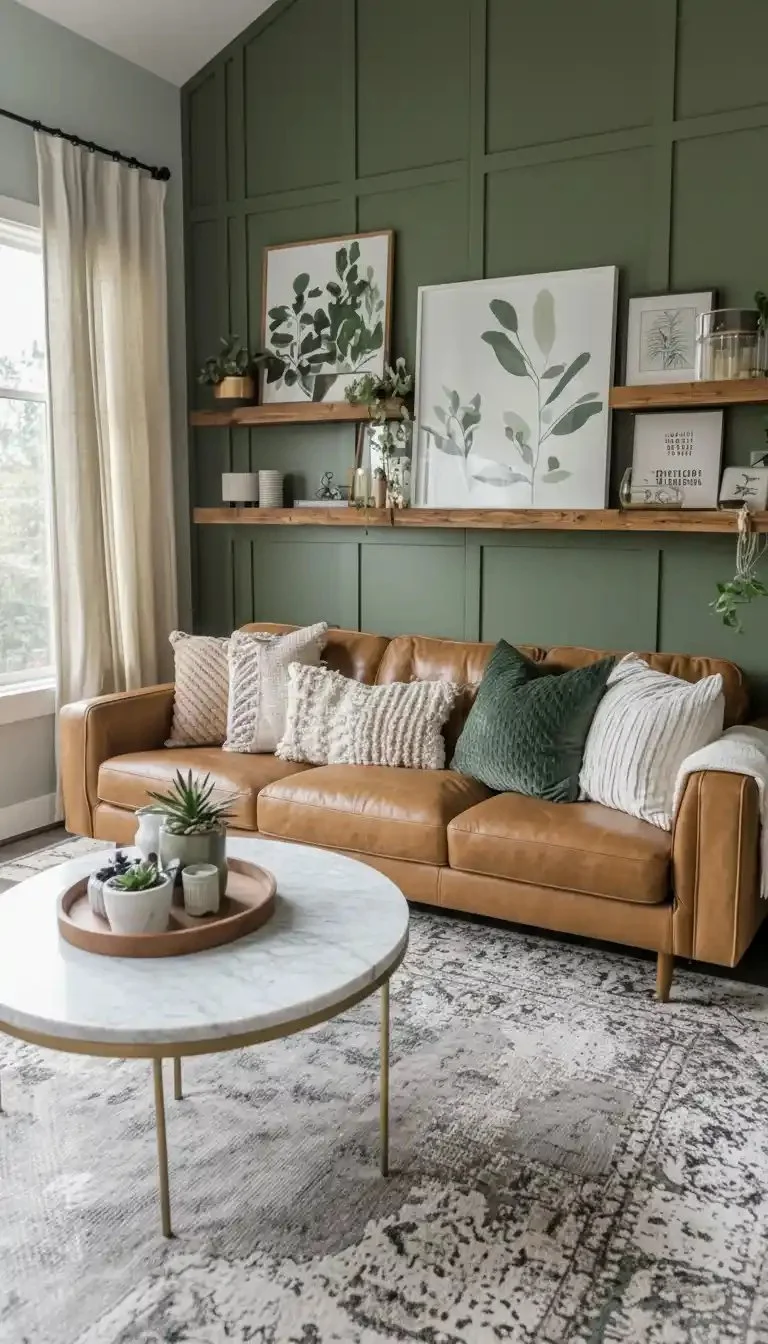
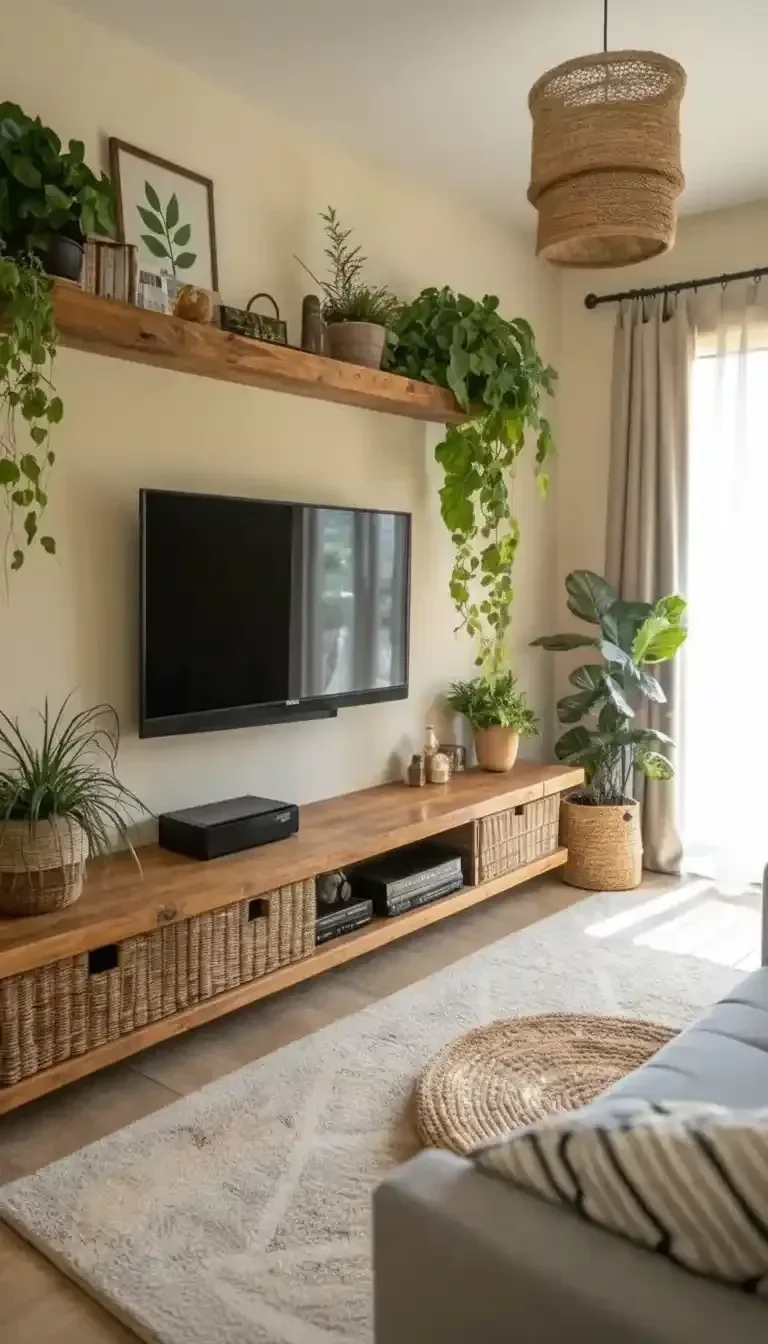
Consider using wall-mounted planters or hanging pots to save floor space while making an elegant statement.
Shelving Units
Install shelves filled with an assortment of indoor plants at varying heights. This adds dimension and invites visual interest.
Multifunctional Furniture
Use furniture with built-in storage or plant stands. This reinforces the theme while optimizing space use.
Common Mistakes to Avoid
When crafting your indoor gothic garden, be aware of common pitfalls:
Overwatering
Many indoor plants thrive on neglect. Ensure proper drainage and only water when the top layer of soil is dry.
Neglecting Light Conditions
Every plant has unique light requirements. Understanding these will prevent unhealthy growth.
Ignoring Plant Compatibility
Choose plants that have similar care needs to ensure that your indoor garden thrives cohesively.
20 Ideas for Your Gothic Garden
1. Dark Elegance with Snake Plants
Plant snake plants in black ceramic pots for a striking look that filters air and adds height to your garden.
2. Magical Pothos Cascade
Let pothos spill over hanging planters to create a whimsical, enchanted aesthetic.
3. Terracotta Trilogy
Group three different-sized terracotta pots with contrasting plants for a natural vibe.
4. Shadowy Spider Plant Arrangement
Combine spider plants in a tiered arrangement to showcase their long, trailing leaves.
5. Peace Lily Centerpiece
Use a large peace lily as a stunning focal point in a dark hardwood corner to highlight its lush foliage.
6. Monochromatic Palette with ZZ Plants
Organize ZZ plants in varying heights for a sophisticated, monochromatic goth look.
7. Mixed Texture Shelf Display
Create an open shelf display mixing textured pots with plants of various shapes for dynamic interest.
8. Gothic Terrarium
Design a terrarium using dark stones and moss surrounding plants for an immersive experience.
9. Shadowy Corner Nook
Utilize dark corners by creating mini plant displays to breathe life into otherwise neglected areas.
10. Mixed Metallic Accents
Incorporate metallic planters amidst natural elements for a balanced gothic twist.
11. Elevated Wooden Planters
Introduce elevated wooden planters with ferns and trailing vines for dramatic height.
12. Artsy Plant Wall
Design a living plant wall using an assortment of small pots with contrasting plants.
13. Candlelight Vibes
Add candles among your plants to enhance the ambiance during the evening hours.
14. Vintage Ladder Display
Use an old wooden ladder as a plant stand for a rustic and artsy touch.
15. Herb Mini-Garden in Dark Tones
Create an herb garden with herbs like basil and mint in dark pots for a functional element in your kitchen.
16. Butterfly Pot Display
Curate butterfly-shaped planters with colorful plants for an enchanting motif.
17. Classic Bookshelf Arrangement
Integrate plants into your bookshelf decor to soften the lines and personalize your reading space.
18. Foliage Frame
Frame a wall art piece with trailing plants to unify the nature theme.
19. Vintage Victorian Accent
Opt for ornate, antique planters filled with greenery to mimic a vintage look.
20. Seasonal Transformation
Swap out plant varieties seasonally to keep your indoor garden fresh and evolving.
Expert Tips for a Thriving Indoor Garden
Interior designers recommend:
- Layering Textures: Mix various plant textures to achieve depth in your arrangements.
- Color Cohesion: Stick to a color theme for an impactful statement throughout your space.
- Regular Care: Make it a habit to assess your plants’ health regularly; that means checking for pests, dead leaves, and watering routines.
Frequently Asked Questions
What plants thrive in low light for a gothic garden?
Plants like snake plants, ZZ plants, and peace lilies are excellent choices for dark corners.
How do I maintain humidity for indoor plants?
To increase humidity, consider grouping plants together and using a pebble tray filled with water.
Can I mix different plant species in my gothic garden?
Absolutely! Just ensure they share similar light and water requirements to promote optimal growth.
What pots work best for a gothic garden?
Dark ceramics, vintage metals, and textured terracotta pots can enhance the gothic aesthetic.
How often should I water my indoor plants?
Most indoor plants prefer their soil to dry out before the next watering, usually every 1-2 weeks.
For more inspiration, check out these external links:
With the right plants, colors, and design strategies, you can successfully cultivate a gothic garden that reflects your personal style while thriving indoors. Embrace the beauty of indoor gardening and enjoy the serene atmosphere it creates in your home.